
The Impact of Vancouver Weather on Pest Infestations: What You Can Do
The damp embrace of Vancouver’s climate is a defining characteristic of our lives here. We appreciate the lush greenery it fosters, the dramatic skies, and the sheer abundance of rain that sustains our vibrant ecosystems. However, as residents, we also understand that this very same weather directly influences the prevalence and intensity of pest infestations within our homes and communities. It’s a constant dance, a delicate balance between appreciating our environment and managing its less desirable inhabitants. We’ve learned through experience, and often through necessity, that understanding the intricate relationship between Vancouver’s weather patterns and the insect and rodent populations is crucial for maintaining a comfortable and pest-free living space.
Vancouver, despite its relatively small geographic area, boasts a surprising array of microclimates. The coastal influence brings milder temperatures and higher humidity, while inland areas, and particularly those at higher elevations or closer to mountains, can experience more pronounced temperature fluctuations and even snow. These subtle yet significant variations create distinct environments that favour different pest species. We find that what might be a minor nuisance in one neighbourhood can blossom into a full-blown infestation just a few kilometres away, all due to these subtle shifts dictated by topography and proximity to water.
Coastal Humidity and its Role in Insect Survival
The consistent moisture from the Pacific Ocean is a double-edged sword for our pest control efforts. For many insects, especially those with exoskeletons that can dry out, the high humidity is a boon. It allows them to thrive and reproduce more readily. We notice this particularly with certain types of ants that seem to emerge in greater numbers during periods of prolonged dampness. The damp wood and soil also provide ideal breeding grounds.
Cockroaches and the Wet Basement Syndrome
Among the most common beneficiaries of Vancouver’s dampness are cockroaches. They seek out dark, humid environments, and our older homes, with their basements and crawl spaces, often provide just that. The increased moisture content in materials like drywall and stored cardboard boxes further enhances their appeal. We’ve discovered that a leaky pipe or a poorly sealed foundation can transform a minor issue into a significant problem by creating localized pockets of high humidity that are irresistible to these resilient pests. Regular checks of basements and utility areas become a necessity, especially after the rainy season.
Silverfish and Booklice in Storage Areas
Silverfish and booklice, though less commonly sighted in main living areas, are often found in storage spaces, attics, and crawl spaces where humidity levels can remain elevated for extended periods. They feed on starchy materials like paper, glue, and dried organic matter, all of which are abundant in storage. The consistent dampness ensures that their food sources remain palatable and that the environments are conducive to their reproduction. We’ve learned to be vigilant about storing items in sealed containers, especially during the wetter months, to prevent these elusive pests from taking hold.
Temperature Fluctuations and Their Breeding Cycles
While Vancouver is known for its mild winters, we do experience periods of frost and, occasionally, snowfall. Conversely, our summers can bring warm, dry spells. These temperature shifts have a direct impact on the breeding cycles and activity patterns of various pests.
Ants and Seasonal Emergence Patterns
Ants are a prime example. While they can be present year-round, we see distinct peaks in their activity following warmer periods. For instance, after a mild winter, queen ants may emerge from dormancy earlier, leading to an earlier onset of foraging and nest-building activity in the spring. We’ve observed that periods of rapid warming, even within the spring, can trigger large swarms of reproductive ants. Conversely, prolonged cold snaps can significantly slow down their activity, sometimes leading us to believe we’ve eradicated a problem, only for it to resurface with the next warm spell.
Spiders and Their Hunting Seasons
Spider populations also fluctuate with temperature. While many are opportunistic hunters, their prey – other insects – are directly influenced by weather. During warmer, more humid periods, we often see an increase in flying insects, which in turn provides a richer food source for spiders. Conversely, during drier, colder spells, spider activity might decrease as their prey becomes scarce or less mobile. We notice more webs appearing in the autumn, as spiders lay eggs and seek shelter before winter.
In exploring the relationship between Vancouver’s weather and pest infestations, it’s essential to consider effective pest control strategies. A related article that provides valuable insights on managing ant populations, which can be particularly affected by seasonal changes, is available at Nikol Pest Control: Ant Control. This resource offers practical tips and solutions for homeowners looking to mitigate ant issues that may arise due to fluctuating weather conditions in the region.
The Rainy Season: A Haven for Pests
Vancouver’s rainy season, typically spanning from late autumn through spring, is the period when many pest issues become most apparent. The constant moisture, coupled with cooler temperatures, creates an environment where certain pests not only survive but actively seek shelter and resources within our homes. This is when we often find ourselves reaching for the phone to call for professional help.
Moisture-Loving Insects and Their Infiltration Tactics
Many common household pests are drawn to moisture, and the persistent rain provides them with ample opportunity to seek out damp environments. This often means they turn their attention to our homes for refuge and sustenance.
Slugs and Snails: The Garden Invaders
While not strictly indoor pests, slugs and snails are undeniable beneficiaries of Vancouver’s deluge. Our gardens, patios, and even the exterior of our homes become prime real estate for these mollusks. They thrive in the constant dampness, feeding on vegetation and leaving behind their characteristic slime trails. We spend a significant amount of time in the spring and autumn trying to protect our prized plants and prevent these gastropods from venturing indoors.
Centipedes and Millipedes: Seeking Damp Retreats
Centipedes and millipedes, often perceived as creepy-crawlies, are also common visitors during our wettest months. They require moisture to survive and are often found in damp basements, crawl spaces, and around foundations. They are opportunistic predators or detritus feeders and can be an indicator of underlying moisture problems. We’ve learned that finding these creatures in unexpected indoor locations is often a sign that we need to investigate our home’s exterior and interior for signs of water intrusion.
Reduced Outdoor Activity and Increased Indoor Presence
As the weather deteriorates, many outdoor pests seek refuge indoors. This is a natural instinct for survival, but it means a higher probability of encountering them inside our living spaces.
Rodents and the Search for Shelter
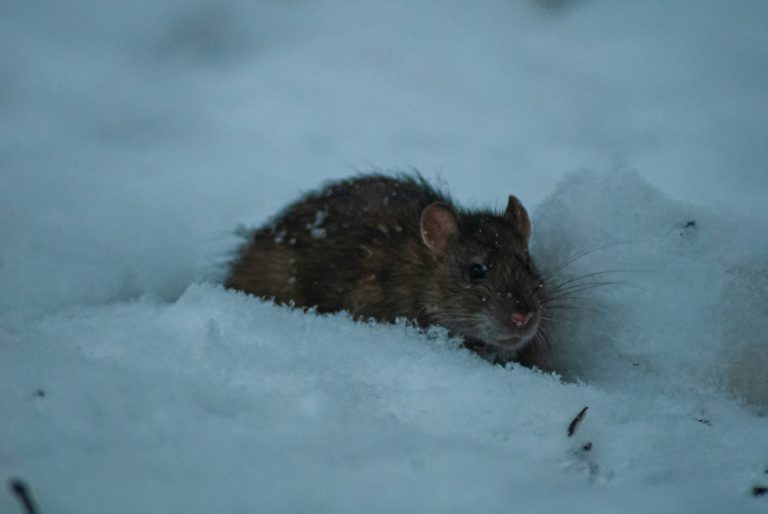
The cooler, wetter weather of fall and winter often drives rodents, such as mice and rats, indoors. They are seeking warmth, shelter from the rain and wind, and a reliable source of food. Our attics, wall voids, and basements become attractive nesting sites. We’ve experienced the tell-tale signs of their presence – scratching noises in the walls, droppings, and chewed electrical wires – which often escalate during these colder months. Understanding their entry points becomes paramount.
Flies and Mosquitoes: Finding Haven Indoors
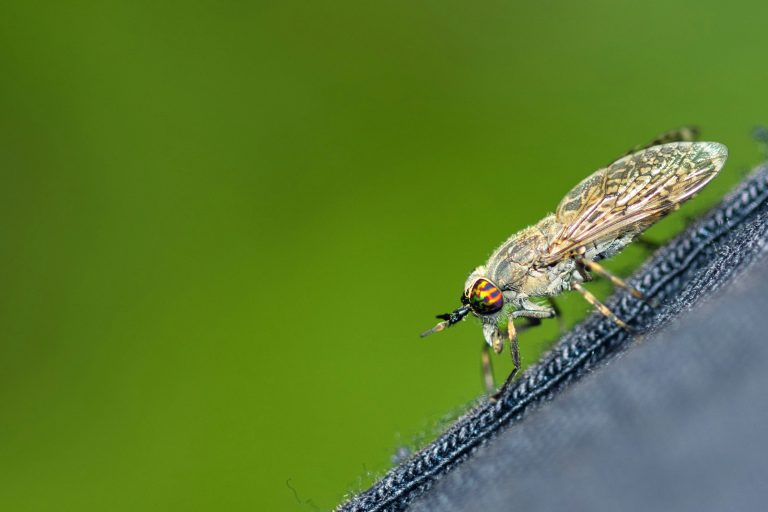
While we typically associate flies and mosquitoes with warmer seasons, they can persist indoors during cooler, wet periods if they find a suitable microclimate. For example, poorly sealed windows and doors can allow them entry, and poorly maintained drains can provide breeding grounds for fly larvae. We’ve also noticed that sometimes dormant flies can become active again indoors as heating systems are activated.
Summer Dry Spells and Their Unique Pest Challenges
While we often associate pest problems with the rainy season, Vancouver’s summer dry spells can also present their own set of pest-related challenges, albeit different ones. When the rain recedes and the sun intensifies, the landscape changes, and so do the pests that become problematic.
Drought-Tolerant Pests and Their Rapid Reproduction
Certain pests are more adapted to drier conditions and can reproduce rapidly during warm, dry periods. These are often the pests that can quickly become a nuisance if left unchecked.
Ants and Their Increased Foraging
While ants are prevalent year-round, the warmer, drier conditions of summer can lead to increased foraging activity. They are actively seeking new food sources and water, and this can bring them into our homes in greater numbers. We’ve noticed that even small crumbs can attract significant ant trails during these times, and their ability to find and exploit even the smallest opening is remarkable. Sealing entry points becomes even more critical.
Wasps and Their Nesting Habits
Wasps, particularly yellowjackets and hornets, are highly active during the summer. The warmer weather allows them to build their nests, which can be found in eaves, attics, and even underground. Their aggressive nature during the late summer and early autumn, as they search for food and defend their nests, makes them a significant concern for outdoor activities and even for entry points into our homes.
Water Scarcity and Pest Behavioural Changes
When water becomes scarce due to dry spells, pests change their behaviour to find it, which can lead them into areas they might otherwise avoid.
Cockroaches Seeking Out Water Sources
Even during dry periods, cockroaches still need water. They will actively seek out sources of moisture, which can include leaky pipes, condensation in bathrooms, or even small droplets of water left from cleaning. This means that even if the general humidity is low, specific areas within our homes can become magnets for these pests.
Spiders and Their Prey Depletion
During prolonged dry spells, the insect populations that spiders feed on can also decline. This can lead spiders to become more aggressive in their hunting or to seek out more sheltered areas where prey might still be found, sometimes bringing them closer to human activity.
Seasonal Pest Transitions: The In-Between Periods
The transitional periods between Vancouver’s distinct seasons – spring and autumn – are crucial times for pest management. These are periods of change, where the weather shifts, and pest populations adjust their behaviour and breeding cycles accordingly. Understanding these transitions allows us to be proactive rather than reactive.
Spring: Emergence and Re-establishment
As winter wanes and spring arrives, we witness the re-emergence of many pests that were dormant or less active. This is a critical period for prevention.
Insect Egg Hatching and Larval Development
Many insect species lay eggs that overwinter and hatch in the spring. This is when we see the initial surge of insect populations. The increased daylight and warmer temperatures stimulate their development. We often notice the first signs of this with an increase in smaller flying insects and crawling larvae in damp, sheltered areas.
Rodent Activity Following Breeding Seasons
Rodents also experience breeding seasons, and the offspring of those that survived the winter will begin to emerge in spring. This increases the overall rodent population and the likelihood of them seeking new territories or resources, sometimes leading them into our homes.
Autumn: Preparation for Winter and Increased Activity
As summer heat gives way to the cooler, wetter conditions of autumn, many pests begin their preparations for the coming winter, which can lead to increased activity around our homes.
Overwintering Strategies and Nesting
Many insects and rodents will actively seek out sheltered locations to overwinter. This can include attics, crawl spaces, wall voids, and even spaces within our homes. We often find them congregating in these areas as they try to avoid the harsher outdoor conditions.
Increased Predatory Insect Activity
As the seasons change, so does the availability of prey for predatory insects. This can lead to increased hunting activity as they try to build up their reserves before the colder months. We might see an uptick in spiders, centipedes, and other predators as they seek out the remaining insect populations.
Understanding the relationship between weather patterns and pest infestations is crucial for effective pest management in Vancouver. For those interested in exploring this topic further, a related article can provide additional insights into how climate changes influence pest behavior and population dynamics. You can read more about this in the article on pest control strategies available at Nikol Pest Control. This resource offers valuable information on preventative measures and treatments that can help homeowners combat pest issues effectively.
Proactive Pest Management: Your Role in Vancouver’s Ecosystem
| Weather Condition | Pest Infestation Impact | Recommended Action |
|---|---|---|
| High Humidity | Increased risk of mold, mildew, and moisture-loving pests like cockroaches and silverfish | Use dehumidifiers, fix leaks, and seal cracks to reduce moisture |
| Warm Temperatures | Higher activity of ants, mosquitoes, and other warm-weather pests | Keep food sealed, clean up spills, and use screens on windows and doors |
| Heavy Rainfall | Risk of water accumulation and attracting pests like rodents and mosquitoes | Ensure proper drainage, remove standing water, and seal entry points |
| Cold Temperatures | Pests seek shelter indoors, leading to potential infestations of rodents and spiders | Seal cracks, keep food sealed, and consider professional pest control services |
Living in Vancouver means embracing its unique climate, but it also necessitates a proactive approach to pest management. We cannot simply ignore the impact of our environment on the pests that share our space. By understanding the seasonal fluctuations and the specific challenges posed by our weather patterns, we can implement strategies that minimize infestations and maintain a comfortable living environment. The key is to be informed and to take decisive action.
Regular Inspections: Your First Line of Defence
We’ve learned that consistent, regular inspections of our homes are the most effective first line of defence. This involves looking for signs of pest activity, assessing potential entry points, and identifying areas of concern before they become major problems.
Identifying Entry Points and Sealing Them
The most common way pests enter our homes is through gaps and cracks. We make it a point to regularly inspect the exterior of our homes, looking for any openings in foundations, around windows and doors, and where utility lines enter the house. Sealing these with appropriate materials like caulk and weatherstripping can significantly prevent pest entry.
Checking for Moisture Problems and Addressing Them Promptly
Given Vancouver’s climate, moisture is a constant consideration. We regularly check for leaky pipes, dripping faucets, condensation issues in bathrooms and kitchens, and any signs of water damage in basements and crawl spaces. Addressing these moisture problems promptly is crucial, as they create ideal breeding grounds for many pests.
Environmental Controls: Making Your Home Less Attractive
Beyond simply sealing entry points, we can also make our homes less attractive to pests by managing our environment. This involves a combination of good housekeeping and strategic modifications.
Proper Food Storage and Waste Management
Proper food storage is paramount. We store food in airtight containers, clean up spills immediately, and ensure that our garbage and recycling bins are sealed and regularly emptied. This eliminates a primary food source for many pests, particularly ants and rodents.
Managing Outdoor Attractants
The area around our homes can also be a significant attractant for pests. We keep our yards tidy, trim overgrown vegetation that can provide shelter, and ensure that our compost bins are properly managed. Removing potential hiding places and food sources from the perimeter of our homes can significantly reduce the likelihood of them venturing inside.
Professional Pest Control: When to Seek Expert Help
Despite our best efforts, sometimes pest infestations can become overwhelming, and it becomes necessary to seek professional assistance. We’ve learned that early intervention is often more effective and less costly in the long run.
Understanding the Signs of a Serious Infestation
We have learned to recognize the subtle signs that indicate a more serious infestation, such as persistent scratching noises, visible droppings, damage to property, or a significant increase in the number of visible pests sighted.
Choosing the Right Professionals for the Job
When seeking professional help, we make sure to choose reputable pest control companies that understand Vancouver’s specific pest challenges and employ environmentally responsible methods. We inquire about their experience with the particular pest we are dealing with and their recommended treatment plans.
By actively engaging with our environment and implementing these proactive measures, we can better manage the impact of Vancouver’s weather on pest infestations, ensuring our homes remain comfortable and pest-free spaces for everyone. We accept that this is an ongoing effort, a continuous adjustment to the natural rhythms of our beautiful, yet sometimes pest-friendly, city.
FAQs
1. How does Vancouver weather impact pest infestations?
Vancouver’s mild and wet climate provides ideal conditions for pests to thrive. The damp environment encourages the growth of mold and mildew, which can attract pests such as ants, cockroaches, and rodents.
2. What are the common pests that are influenced by Vancouver weather?
Common pests affected by Vancouver weather include ants, cockroaches, rodents, and mosquitoes. These pests are attracted to the moisture and warmth that the climate provides, making them more prevalent in the area.
3. How can Vancouver residents prevent pest infestations due to the weather?
To prevent pest infestations due to Vancouver weather, residents can take measures such as sealing cracks and crevices, keeping the home clean and dry, and removing standing water. Regular pest inspections and maintenance can also help prevent infestations.
4. What are the potential health risks associated with pest infestations in Vancouver?
Pest infestations in Vancouver can pose health risks such as allergies, asthma, and the spread of diseases. For example, rodents can carry diseases such as hantavirus, while mosquitoes can transmit West Nile virus and other illnesses.
5. What should Vancouver residents do if they suspect a pest infestation in their home?
If Vancouver residents suspect a pest infestation in their home, they should contact a professional pest control service to assess the situation and provide appropriate treatment. It’s important to address pest infestations promptly to prevent further damage and health risks.