What’s Living in Your Walls? Common BC Pests Explained
We often think of our homes as secure havens, insulated from the outside world. But beneath the plaster and drywall, a hidden ecosystem thrives, one that can cause significant distress and damage. In British Columbia, a variety of creatures have found our homes to be ideal places to nest, forage, and reproduce. Understanding what’s lurking within our walls is the first step to maintaining a healthy and secure living environment.
Our houses, with their consistent temperatures, readily available food sources (even if unintentional), and protection from predators, present an irresistible proposition for many common pests. These unwelcome guests aren’t just a nuisance; they can compromise the structural integrity of our homes, contaminate our food supplies, and even pose health risks. Identifying the signs of their presence and understanding their habits are crucial for effective prevention and eradication.
Rodents are perhaps the most commonly encountered pests within BC homes. Their ability to squeeze through surprisingly small openings, gnaw through various materials, and reproduce rapidly makes them persistent invaders. We often think of them as a single entity, but in our region, several species are particularly prevalent.
Mice: The Tiny Titans of the Walls
House mice (Mus musculus) are small, agile, and incredibly adaptable. They are adept climbers and can navigate through plumbing, electrical conduits, and even the tiniest cracks in our foundation. Their small size, combined with their prolific breeding habits, means a minor infestation can escalate quickly.
Signs of Mouse Infestation
We should be on the lookout for several telltale signs of a mouse presence. The most obvious is droppings, which are small, dark, and pellet-shaped, often found in clusters near food sources, in drawers, or along baseboards. We might also notice gnaw marks on food packaging, furniture, or even electrical wires. A distinct musky odour, particularly in enclosed spaces, can also indicate a significant infestation. And of course, the scurrying or scratching sounds we hear at night, especially in attics and wall cavities, are classic indicators.
Mouse Habits and Dangers
Mice are nocturnal, which is why we often hear them most at night. They are omnivores, meaning they’ll eat almost anything, from grains and seeds to insects and even pet food. Their constant need to gnaw is not just destructive; it’s a biological necessity to keep their ever-growing incisors in check. This gnawing can lead to damaged wiring, creating fire hazards, and compromised insulation. Beyond the physical damage, mice can carry diseases such as Salmonella and Leptospirosis, which can be transmitted through their droppings and urine. They can also act as vectors for hantavirus, a serious respiratory illness.
Rats: The Larger, More Destructive Cousins
Norway rats (Rattus norvegicus) and Roof rats (Rattus rattus) are the two primary rat species we encounter in BC. Norway rats are stockier and tend to burrow, often found in basements and lower levels, while Roof rats are more slender and are excellent climbers, preferring attics and upper floors.
Signs of Rat Infestation
The signs of a rat infestation are similar to mice but typically on a larger scale. Rat droppings are much larger than mouse droppings, about the size of a raisin, and often have blunt ends. We might observe more significant gnaw marks, sometimes revealing the inner core of wood or insulation. Grease marks along pathways, especially on walls and pipes, are common as rats groom themselves and leave behind oils. Larger scratching and scurrying sounds are also indicative of rats.
Rat Habits and Dangers
Rats are also primarily nocturnal, although they may become more active during the day if their population is large or their food source is disrupted. They are equally omnivorous as mice, and their powerful jaws can chew through wood, plastic, and even soft metals like lead piping. This extensive gnawing can cause substantial structural damage and expose electrical wires, creating serious fire risks. Rats, like mice, are carriers of numerous diseases, including plague, leptospirosis, and salmonellosis. Their presence in our food storage areas poses a direct contamination risk.
If you’re concerned about the various pests that may be lurking in your walls, you might find it helpful to read more about specific pest control methods. For instance, our article on ant control provides valuable insights into identifying and managing ant infestations, which can often be a common issue in British Columbia homes. To learn more about effective strategies for dealing with these pests, check out the article here: Ant Control.
Insects: The Tiny Troubles of Our Homes
While rodents are large enough to be immediately noticeable, the insect world presents a more diverse and often stealthy threat. Many insect species seek shelter, warmth, and sustenance within our homes, colonizing various areas from our kitchens to our wall cavities.
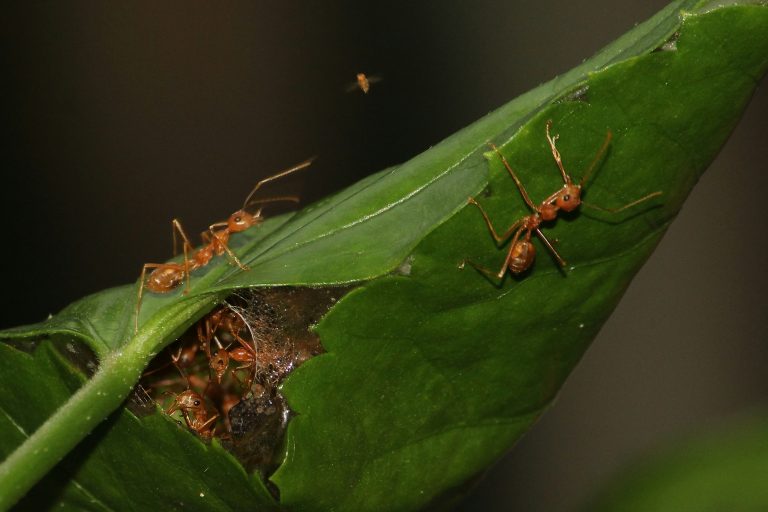
Carpenter Ants: The Silent Structural Destroyers
Carpenter ants (Camponotus spp.) are a significant concern for homeowners in BC. Unlike termites, they don’t eat wood; instead, they excavate it to create nests. This excavation can weaken the structural integrity of our homes over time.
Signs of Carpenter Ant Infestation
We might not see the ants themselves initially, as they often forage at night. The most common sign is the presence of frass, which is a pile of sawdust-like material, often found below wooden structures where they are nesting. This frass can contain fragments of wood, insect body parts, and other debris. We might also hear faint rustling or clicking sounds within walls, especially in quiet environments. In some cases, we might observe large, winged reproductive ants (swarmers) emerging from tiny cracks or crevices, particularly in the spring or early summer, as they seek new nesting sites.
Carpenter Ant Habits and Challenges
Carpenter ants prefer damp or moist wood, making areas with moisture issues, like leaky roofs or plumbing, particularly attractive for nesting. They can also nest in dry, sound wood, so even perfectly maintained homes are not immune. Their nests can be found within wall voids, under insulation, in attics, and around window and door frames. Eradicating them can be challenging, as their nests are often deep within the structure, making it difficult to reach them directly.
Termites: The Wood-Eaters Among Us
While less common than in some warmer climates, termites do exist in British Columbia and can cause extensive damage. Subterranean termites (Reticulitermes spp.) are the primary concern in our region.
Signs of Termite Infestation
The signs of a termite infestation are often subtle and can be easily mistaken for other issues. We might notice mud tubes on foundation walls, basement sills, or support beams. These tubes are constructed by termites to provide a safe passage between their underground colonies and their food source (our wooden structures). Another sign is discarded wings, which are shed by reproductive termites (swarmers) after they have emerged to mate and find new colonies. Blisters or warping in wooden surfaces, hollow-sounding wood, and small holes in drywall can also indicate termite activity.
Termite Habits and Devastation
Termites are social insects that live in large colonies. They feed on cellulose, the primary component of wood. Subterranean termites live in underground colonies and require moisture to survive, hence their need for contact with the soil. They are essentially silent destroyers, working tirelessly to consume wood from the inside out. The damage caused by termites can be significant and costly to repair, often going unnoticed until the infestation is well-established and structural weaknesses become apparent.
Birds and Bats: The Aerial Invaders
While we might appreciate the sight of birds in our gardens or the mystery of bats at dusk, their presence within our homes presents a different set of challenges.
If you’re curious about the various pests that can invade your home, you might find it helpful to read an article that delves deeper into pest prevention strategies. Understanding what attracts these unwanted guests is crucial, and you can learn more about it in this informative piece on pest management. For additional insights, check out this related article on pest control techniques that can help keep your living space safe and comfortable.
Birds: Nesting in Eaves and Attics
Various bird species, such as sparrows, starlings, and pigeons, can choose to nest in and around our homes. Attics, soffits, vents, and eaves offer sheltered locations for them to build their nests and raise their young.
Signs of Bird Infestation
The most obvious sign is the presence of birds themselves, particularly around nesting sites. We might also notice droppings accumulating, which can be unsightly and acidic, damaging building materials. The sound of chirping, squawking, or flapping wings within walls or attics, especially during nesting season, is a clear indication of their presence. Nesting materials, such as twigs, leaves, and insulation, might also be visible around potential entry points.
Bird Habits and Concerns
Birds generally nest in spring and summer. While their nests might seem harmless, they can become a fire hazard if they come into contact with electrical wiring or heating elements. Their droppings can also attract insects and create unsanitary conditions. Furthermore, nesting birds can block ventilation systems, leading to poor air circulation and potential moisture buildup.
Bats: Roosting in the Shadows
Bats are often an overlooked pest, but they can establish colonies within our homes, typically in attics, wall voids, or chimneys.
Signs of Bat Infestation
The most common sign of a bat infestation is guano, their droppings, which are often found in piles beneath their roosting sites. Guano can have a distinctive smell and can be mistaken for rodent droppings, but it crumbles easily when dry and contains insect fragments. We might also hear squeaking or chattering sounds, especially at dusk or dawn when bats are most active. Observing bats flying in or out of a specific area of our home at twilight is another definitive sign.
Bat Habits and Issues
Bats are nocturnal and generally feed on insects. While they are beneficial for insect control, their presence in our homes can be problematic. Their guano can harbour histoplasmosis, a fungal infection that can affect the lungs. Bats can also carry rabies, though the risk is relatively low. It’s important to note that bats are a protected species in many areas, and their removal must be handled with care and often in accordance with regulations.
Other Unwanted Guests: The Less Common, But Still Problematic Pests
Beyond the most prevalent invaders, a variety of other creatures can find their way into our wall cavities and homes, causing a range of issues.
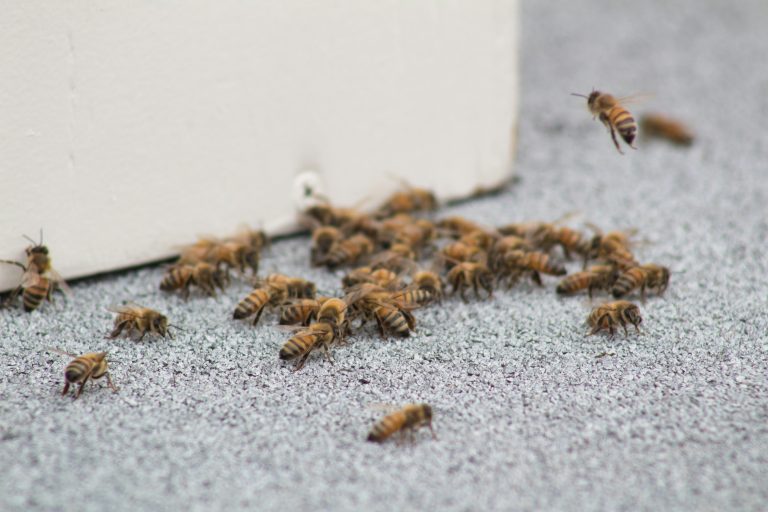
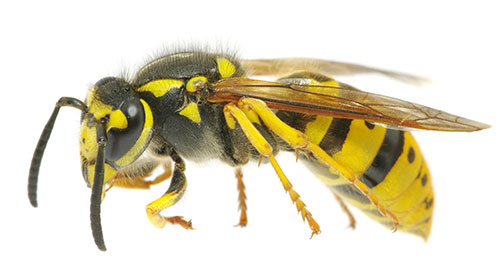
Wasps and Bees: Nests in Unexpected Places
While we often associate wasps and bees with outdoor nests, some species can create nests within wall voids or attics, particularly if they can find suitable entry points.
Signs of Wasp and Bee Infestation
The most obvious sign is the presence of active nests, often in concealed locations. We might observe increased wasp or bee activity around a specific area of our home. The buzzing sounds coming from within walls can also indicate a nest. In more advanced infestations, we might see some insects emerging from small cracks or openings.
Wasp and Bee Habits and Dangers
The primary concern with wasp and bee nests within our homes is the risk of stings. While some nests might be contained and not pose an immediate threat, disturbed nests can lead to aggressive stinging behaviour. This is especially problematic for individuals with allergies to insect stings. The structure of the nest itself, if large enough, can also contribute to moisture retention and potential damage to insulation.
Cockroaches: The Scavengers of Our Homes
While cockroaches are more commonly associated with kitchens and bathrooms, some species can inhabit wall voids, especially in larger buildings or in areas with significant food and moisture sources.
Signs of Cockroach Infestation
The most common signs of a cockroach infestation are the roaches themselves, which are often seen at night. We might also notice dark droppings, which can resemble coffee grounds or black pepper, particularly along baseboards or in dark, damp areas. A musty, oily odour can also be indicative of a large infestation. Egg cases, which are small, brown capsules, might also be found.
Cockroach Habits and Health Risks
Cockroaches are nocturnal scavengers and are attracted to food, water, and shelter. They can contaminate food surfaces and utensils with bacteria and pathogens, posing a health risk. They are known to carry E. coli, Salmonella, and other disease-causing organisms. Their presence can also trigger allergies and asthma symptoms in some individuals. While they might not actively burrow into walls, they can utilize wall voids as hiding and nesting spaces, especially if there are openings to these areas.
Understanding the diverse range of pests that can inhabit our walls is essential for protecting our homes and our well-being. By recognizing the signs, understanding their behaviours, and implementing preventative measures, we can work towards a pest-free living environment. Professional pest control services can offer expertise and effective solutions for dealing with infestations, ensuring our homes remain secure and healthy spaces for us.
FAQs
What are some common pests found in BC walls?
Some common pests found in BC walls include rodents such as mice and rats, insects like ants, termites, and cockroaches, as well as spiders and silverfish.
How do pests get into walls?
Pests can enter walls through small cracks and openings in the exterior of the building. They may also gain access through gaps around pipes, vents, and utility lines.
What are the signs of pests living in walls?
Signs of pests living in walls include scratching or scurrying noises, droppings, chewed wires or insulation, and visible damage to the walls or baseboards.
What are the risks of having pests in your walls?
Pests in walls can pose health risks by spreading diseases and allergens. They can also cause structural damage to the building and contaminate food and surfaces.
How can I prevent pests from getting into my walls?
To prevent pests from getting into walls, seal any cracks or openings in the exterior of the building, keep the area around the building clean and free of debris, and store food in airtight containers. Regular inspections and maintenance can also help identify and address potential entry points for pests.