
Signs of a Pest Problem: How to Tell Before It Gets Worse
We understand the dread that comes with suspecting a pest infestation. It’s a feeling of unease, a compromise of our comfort, and a potential threat to our property and health. The key to effective pest control lies in early detection. The sooner we identify the problem, the more manageable and less costly it becomes to resolve. This article aims to equip us with the knowledge to recognize the subtle, and not-so-subtle, indicators of a burgeoning pest problem before it escalates into a full-blown crisis.
One of the most undeniable signs of a pest presence is the discovery of their waste products. These can vary significantly in appearance depending on the culprit, offering us crucial clues to their identity.
Fecal Matter
- Rodent Droppings: We often find these near food sources, in cupboards, behind appliances, or along walls where rodents travel. Mouse droppings are small, dark, and pellet-shaped, roughly the size of a grain of rice. Rat droppings are larger, spindle-shaped, and resemble dark, elongated grains of rice. The freshness of the droppings can indicate the activity level; fresh droppings are dark and moist, while older ones are dry and crumbly.
- Cockroach Feces: Resembling coffee grounds or black pepper specks, cockroach droppings are commonly found in kitchens and bathrooms, particularly in damp, dark areas. Larger roaches leave behind cylindrical droppings. We might also observe ‘smear marks’ on vertical surfaces if the infestation is severe.
- Bed Bug Fecal Spots: These are tiny, dark spots, often found in clusters on mattresses, bedding, and nearby furniture. They are essentially digested blood and will bleed into fabric when wet. This is a tell-tale sign that we are sharing our sleeping space with these nocturnal nuisances.
Shed Skins and Carcasses
- Insect Exoskeletons: Many insects, such as cockroaches, bed bugs, and various beetles, shed their exoskeletons as they grow. Finding these empty shells, often in out-of-the-way places like behind furniture or in corners, indicates an active population that is molting and maturing. The presence of multiple shed skins suggests a growing infestation.
- Deceased Pests: While finding a single dead insect might not be cause for alarm, discovering multiple carcasses, especially within a confined area, is a strong indicator of a larger population. This is particularly true for pests like ants, flies, or beetles that might congregate or die in specific locations.
Webbing and Other Residues
- Spiderwebs: While a few artistic cobwebs might add character, an abundance of webs, particularly in areas we don’t regularly clean, suggests a thriving spider population. Different spiders create different types of webs, offering clues to their species.
- Moth Webbing: In stored food products like flour, cereal, or pet food, we might notice silken webbing. This is a common sign of pantry moths, whose larvae spin these webs as they feed and mature.
- Sawdust-like Piles: If we discover small piles of what looks like sawdust, particularly near wooden structures or furniture, this could be ‘frass’ – the excretions of wood-boring insects like termites or powder post beetles. The location and consistency of the frass can help us distinguish between different wood-destroying pests.
If you’re concerned about potential pest issues in your home, you might find it helpful to read the article titled “You Might Have a Pest Problem—Here’s How to Tell Before It Gets Worse.” This article provides valuable insights into identifying early signs of pest infestations and offers practical advice on prevention. For more information on pest control services and solutions, you can visit this related article: Nikol Pest Control Services.
Unusual Sounds and Odors
Sometimes, our other senses can alert us to a pest problem even before we see physical evidence.
Nocturnal Noises
- Scratching and Scurrying: Sounds of scratching, scuttling, or scurrying within walls, ceilings, or attics, particularly at night, are highly indicative of rodent activity. As nocturnal creatures, mice and rats are most active after dark. These sounds can vary in intensity depending on the size and number of the rodents.
- Gnawing Sounds: We might hear subtle gnawing or chewing sounds originating from within walls or behind appliances. Rodents constantly chew to keep their incisors sharp and to gain access to food or nesting sites. These sounds are often distinct from general house creaks.
Distinctive Odors
- Musty or Stale Odor: A pervasive musty or stale odor, especially in enclosed spaces like basements or attics, can signal the presence of rodents. Their urine and droppings contribute to this unpleasant scent, which can become quite strong in severe infestations.
- Sweet, Foul, or Oily Smell: Cockroaches emit a distinct, often described as a sweet, foul, or oily odor, especially when their numbers are high. This scent is due to their aggregation pheromones and can permeate an entire room or even a building. If we detect such an odor without an obvious source, it’s prudent to investigate for cockroaches.
- Burnt Smell: In some rare but severe cases, especially with electrical issues caused by rodents chewing wires, we might detect a burning smell. This is not only a sign of a pest but also a significant fire hazard and requires immediate attention.
Physical Damage to Property
Pests inflict a wide range of damage, from subtle gnaw marks to extensive structural compromise. Recognizing these signs can help us intervene before irreversible harm occurs.
Chewed Items
- Gnaw Marks on Food Packaging: Finding small, irregular holes or chew marks on food containers, particularly cardboard boxes or plastic bags in pantries and kitchens, is a classic sign of rodents. They often target grains, cereals, and pet food.
- Damaged Wires and Cables: Rodents are notorious for chewing on electrical wires, plumbing pipes, and data cables. This can lead to power outages, water leaks, and even fire hazards. We might notice frayed wires, exposed copper, or scorch marks. This is a serious concern.
- Damaged Furniture and Fabric: Some pests, like carpet beetles or clothes moths, can cause damage to fabric items, including carpets, clothing, upholstery, and even taxidermy. We might observe irregular holes, thinning of material, or larval casings. Rodents can also gnaw on furniture, leaving visible teeth marks.
Wood Damage
- Holes in Wood: Small, perfectly round holes in wooden structures or furniture can indicate the presence of wood-boring beetles or termites. The size and shape of the holes can vary, offering clues as to the specific pest. We might also see fine sawdust (frass) around these holes.
- Mud Tubes: Termites, particularly subterranean termites, construct distinctive mud tubes on walls, foundations, or wooden beams. These tubes serve as protected pathways for them to travel between their nest and their food source (our house). Even if we don’t see active termites, the presence of these tubes is a definitive sign of an infestation.
- Blistered or Darkened Wood: Termite damage can sometimes manifest as blistered or darkened areas on wood surfaces. This is due to the termites tunneling just beneath the surface, weakening the wood from within. Tapping on such areas might reveal a hollow sound.
Tracks and Pathways
- Grease Marks and Rub Marks: Rodents, particularly rats, often leave greasy rub marks along walls and baseboards where their bodies repeatedly brush against surfaces as they travel. These marks are typically dark and smudgy. They often follow consistent pathways, which can help us identify their entry and exit points.
- Footprints: In dusty areas, attics, or basements, we might occasionally spot rodent footprints or tail drags. These can provide a clear indication of their presence and direction of travel. We can sometimes dust suspected areas with a fine powder (like flour or talc) overnight to check for tracks.
Live Sightings and Activity
While the previous signs are strong indicators, a direct sighting often eliminates all doubt and provides immediate confirmation of a pest problem.
Encounters with Pests
- Daytime Sightings: Most pests, especially rodents and cockroaches, are primarily nocturnal. Therefore, seeing them during the day, particularly in highly trafficked areas like kitchens or living rooms, is a strong indicator of a significant infestation. It implies that the population is large enough that individuals are being forced to search for resources during less opportune times.
- Clustered Sightings: Discovering multiple pests in a single area, such as a cluster of ants marching across a counter, several flies around a food source, or numerous bed bugs on a mattress, is an undeniable sign of an active and potentially growing infestation.
- Swarming Insects: The sudden appearance of swarming insects, especially flying ants or winged termites, can be a critical indicator. Termite swarms, in particular, are a serious warning sign, as they represent sexually mature termites leaving an existing colony to establish new ones.
Pest Activity
- Ant Trails: We often observe ants marching in distinct lines or trails, indicating they have found a food source and are communicating its location to other colony members. These trails typically lead from an entry point to a food source.
- Flies and Mosquitoes: While a single fly or mosquito might be an isolated incident, a sudden increase in their numbers indoors suggests a breeding ground nearby, such as standing water (for mosquitoes) or decomposing organic matter (for flies).
- Spiders and Other Arachnids: A noticeable increase in the number of spiders, particularly in areas we regularly occupy, suggests a thriving food source for them, which in turn points to an abundance of other insects.
If you suspect that you might have a pest problem, it’s essential to act quickly before the situation escalates. Understanding the signs of an infestation can help you take the necessary steps to protect your home. For more insights on effective pest control solutions in your area, you can check out this informative article on Vancouver pest control services, which provides valuable tips and resources to keep your living space pest-free.
Unexplained Health Issues and Reactions
| Signs of Pest Problem | How to Tell |
|---|---|
| Droppings | Look for small, dark droppings near food sources or in hidden areas |
| Chewed or Damaged Items | Check for gnaw marks on food packaging or damaged furniture |
| Unusual Odors | Notice any musty or urine-like smells in certain areas |
| Nesting Materials | Find shredded paper, fabric, or other materials in hidden spots |
| Scratching Noises | Listen for sounds of scratching or scurrying in walls or ceilings |
While less direct, certain health symptoms can sometimes be linked to pest infestations, prompting us to investigate further.
Allergic Reactions
- Asthma and Allergies: The exoskeletons, droppings, and saliva of pests like cockroaches, dust mites, and rodents can trigger allergic reactions and exacerbate asthma symptoms in sensitive individuals. An unexplained increase in respiratory issues or allergic reactions, especially indoors, warrants consideration of a pest problem as a potential cause.
- Skin Rashes and Itchiness: Certain pests, like bed bugs, fleas, and mites, bite or cause skin irritation. Unexplained itchy welts, rashes, or persistent skin irritation, particularly those appearing in clusters or specific patterns, should prompt us to inspect for biting insects. Bed bug bites often appear in a linear pattern or zigzag on exposed skin.
Bites and Stings
- Unexplained Bites: Waking up with itchy bites, especially if they are red and inflamed, is a common sign of bed bugs or fleas. The location, appearance, and timing of the bites can provide clues to the culprit. Flea bites are often concentrated around ankles and legs.
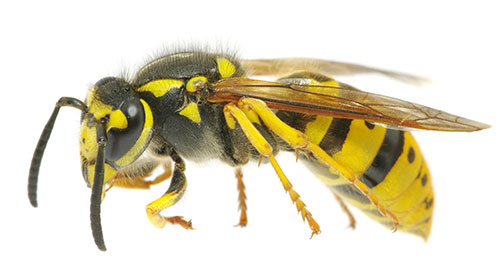
- Stings: While less common indoors, the discovery of a wasp or hornet nest near our living spaces could lead to stings. Finding multiple wasps or hornets inside, especially repeatedly, indicates a nearby nest that needs to be addressed.
- Spider Bites: While most house spiders are harmless, some can deliver painful bites. An unexplained spider bite, while not necessarily indicating an infestation, suggests spiders are present and warrants a general inspection.
Recognizing these signs early is paramount. A small problem, if left unaddressed, can rapidly escalate into a costly and disruptive infestation. If we observe any of these indicators, it is advisable to take prompt action, whether that involves further investigation, implementing DIY pest control measures, or contacting a professional pest control service. Our peace of mind and the integrity of our living spaces depend on our vigilance.
FAQs
What are common signs of a pest problem in the home?
Some common signs of a pest problem in the home include droppings, gnaw marks, nests or hives, unusual odors, and sightings of pests themselves.
What are some common household pests to look out for?
Common household pests to look out for include rodents (such as mice and rats), insects (such as ants, cockroaches, and termites), and wildlife (such as raccoons and squirrels).
How can I prevent a pest problem in my home?
To prevent a pest problem in your home, it’s important to keep your living space clean and tidy, seal up any cracks or openings, store food properly, and maintain your yard and outdoor areas.
When should I call a professional for help with a pest problem?
You should call a professional for help with a pest problem if you have a large infestation, if you’re dealing with potentially dangerous pests (such as venomous spiders or stinging insects), or if your efforts to control the problem on your own have been unsuccessful.
What are some DIY methods for dealing with a pest problem?
Some DIY methods for dealing with a pest problem include using traps and baits, sealing up entry points, keeping a clean home, and using natural deterrents such as peppermint oil or vinegar.