Eco-Friendly Pest Control in BC: Effective?
In our ongoing efforts to maintain healthy homes and businesses, we often encounter unwelcome guests: pests. From ants marching across our countertops to rodents scuttling in our attics, these intrusions prompt us to seek solutions. However, in an increasingly environmentally conscious world, we, as residents of British Columbia, are keenly aware of the impact our choices have on the delicate ecosystems around us. This awareness naturally leads us to question the efficacy and practicality of eco-friendly pest control methods. Are these green alternatives truly effective in our unique BC landscape, or do they merely offer a feel-good substitute for more conventional approaches? We aim to explore this question with a balanced perspective, examining the various facets of eco-friendly pest management in our province.
The diverse geography and climate of British Columbia present a unique array of pest challenges. From the humid coastal rainforests to the arid interior, different species thrive in different conditions, demanding tailored approaches to control.
Common Pests We Encounter
We regularly contend with a variety of pests that necessitate intervention:
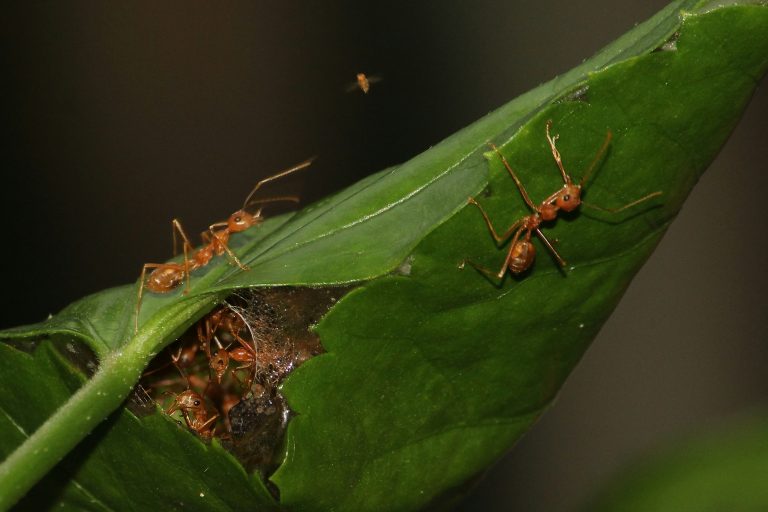
- Insects: Ants, particularly odorous house ants and carpenter ants, are prevalent, often seeking food and shelter indoors. Spiders, while mostly harmless, can be a nuisance for many. Wasps and hornets, especially in warmer months, pose a stinging threat.
- Rodents: Mice and rats, adaptable and cunning, are a constant threat to food supplies and structural integrity, particularly during colder seasons when they seek refuge indoors.
- Wildlife: While not always considered “pests” in the traditional sense, raccoons, squirrels, and even deer can cause significant damage to gardens, property, and even pose health risks.
Environmental Sensitivities in BC
Our provincial regulations and public consciousness emphasize environmental protection. The rich biodiversity, coupled with a strong emphasis on preserving natural habitats, means we are particularly sensitive to the use of broad-spectrum pesticides that can harm non-target species, contaminate water sources, or persist in the environment. This sensitivity directly informs our preference for and exploration of eco-friendly solutions.
In exploring the effectiveness of eco-friendly pest control methods in British Columbia, it is also beneficial to consider related topics such as the behavior and management of specific pests like ants. For a deeper understanding of how to address ant infestations using environmentally conscious strategies, you can refer to this informative article on ants: Ants: Identification and Control. This resource provides valuable insights into the habits of ants and offers practical tips for managing them while minimizing environmental impact.
What Constitutes “Eco-Friendly” Pest Control?
When we talk about eco-friendly pest control, we’re not simply discussing methods that avoid chemicals. It’s a comprehensive approach that prioritizes minimal environmental impact while still achieving effective pest management.
Integrated Pest Management (IPM) as a Foundation
At the heart of eco-friendly pest control lies Integrated Pest Management (IPM). This is not a single technique but rather a holistic strategy that emphasizes prevention and combines various methods to achieve long-term, sustainable pest suppression.
- Prevention: We prioritize measures that stop pests from entering our homes and properties in the first place. This includes sealing entry points, proper sanitation, and eliminating attractants.
- Monitoring: Regular inspection and monitoring help us identify pest issues early, allowing for targeted intervention before populations become unmanageable.
- Cultural Controls: Modifying our environment to make it less hospitable to pests is a key aspect. This might involve altering irrigation practices to reduce moisture for certain insects or adjusting landscaping to discourage rodent harborage.
- Biological Controls: Utilizing natural enemies of pests, such as beneficial insects or predatory mites, is a more advanced eco-friendly technique we might consider in certain situations, particularly in agricultural settings.
- Least-Toxic Option: When interventions are necessary, we always aim for the least toxic and most targeted methods available, reserving conventional pesticides as a last resort and using them in a highly controlled manner.
Specific Eco-Friendly Methods We Employ
Beyond the overarching IPM philosophy, we utilize a range of specific eco-friendly techniques:
- Physical Barriers: We regularly employ screens on windows and doors, door sweeps, and caulking to seal cracks and crevices, creating physical barriers that prevent pest entry.
- Trapping: For rodents, we primarily use snap traps or multi-catch traps, avoiding sticky traps that are considered inhumane. For flying insects, pheromone traps or light traps can be effective in specific scenarios.
- Botanical Pesticides: Derived from plants, these products often have lower mammalian toxicity and break down more rapidly in the environment. Examples include neem oil, pyrethrin (derived from chrysanthemums), and essential oils like peppermint or cedar. We evaluate their effectiveness and potential non-target impacts carefully.
- Diatomaceous Earth (DE): This naturally occurring powdery substance, made from fossilized algae, works by dehydrating insects upon contact. We find it effective for crawling insects like ants, silverfish, and bed bugs, provided it remains dry.
- Heat Treatments: For certain infestations, particularly bed bugs, professional heat treatments can be highly effective and chemical-free, although they are often more expensive.
- Biological Sprays: In some agricultural or horticultural contexts, we might consider the use of microbial pesticides, which use bacteria, fungi, or viruses to target specific pests.
Challenges and Limitations of Eco-Friendly Pest Control in BC
While our commitment to eco-friendly methods is strong, we acknowledge that these approaches come with their own set of challenges and limitations, particularly in our diverse BC environment.
Efficacy Against Established Infestations
One of our primary concerns is the effectiveness of eco-friendly methods against well-established or severe infestations. For instance:
- Large Rodent Populations: While trapping is effective for individual rodents, a widespread infestation often requires a more aggressive, though still strategic, approach that might include baiting in secure stations, carefully monitored for non-target impact.
- Colossal Ant Nests: Some ant species, like carpenter ants, can establish extensive colonies. While baits and direct treatment with botanical products can help, complete eradication often requires persistent and targeted application, sometimes supplemented with residual products in hard-to-reach areas.
- Persistent Pests: Certain pests, such as bed bugs, are notoriously difficult to eradicate. While heat treatments are effective, they are costly. Botanical sprays alone often struggle to penetrate deep into cracks and crevices where these pests hide, necessitating multiple applications and careful monitoring.
Time and Investment Requirements
Eco-friendly pest control often demands a greater investment of time and effort from us as homeowners or business operators.
- Ongoing Vigilance: Prevention and monitoring are continuous processes. We must regularly inspect our properties, seal new cracks, and maintain sanitation to prevent re-infestation.
- Multiple Applications: Unlike some conventional pesticides that offer long-lasting residuals, many eco-friendly products require more frequent application to maintain effectiveness. This can be more labour-intensive and costly over time.
- Understanding Pest Biology: We find that a deeper understanding of pest biology and behaviour is crucial for successful eco-friendly management. Knowing where pests hide, what they eat, and their life cycles allows for more targeted and effective interventions.
Cost Considerations
The perceived cost of eco-friendly pest control can sometimes be a deterrent.
- Specialized Products: Some botanical or biological pesticides can be more expensive than their synthetic counterparts.
- Professional Services: Specialized services like heat treatments or comprehensive IPM programs from eco-friendly pest control companies may come with a higher upfront cost, though they often prove more cost-effective in the long run due to their preventative nature.
Case Studies and Success Stories in BC
Despite the challenges, we have seen numerous success stories and effective implementations of eco-friendly pest control methods across British Columbia. These examples demonstrate that with the right approach and perseverance, sustainable pest management is indeed achievable.
Residential Pest Control
Many of us in BC have successfully managed common household pests using integrated and eco-friendly strategies.
- Ant Management: We’ve found that a combination of sealing entry points, meticulous sanitation, and targeted baiting (using both conventional and botanical options) can effectively control ant populations. Persistent monitoring and re-baiting as needed are key.
- Rodent Exclusion: For rodent issues, our first line of defense is always exclusion. Sealing holes, patching gaps, and installing mesh barriers have proven highly effective in preventing rodents from entering homes. Trapping, as mentioned, is our preferred method for existing indoor populations.
- Garden Pest Management: In our gardens, we frequently employ beneficial insects, companion planting, and organic sprays like insecticidal soap or neem oil for aphids, spider mites, and other common garden pests. Physical removal and row covers also play a significant role.
Commercial and Agricultural Applications
Beyond our homes, eco-friendly strategies are also making headway in larger-scale applications within BC.
- Greenhouses and Nurseries: Many horticultural operations in BC utilize biological controls, such as predatory mites for spider mites or parasitic wasps for aphids, to manage pest populations without resorting to broad-spectrum chemicals, ensuring product safety and protecting beneficial pollinators.
- Organic Farms: Certified organic farms in BC are inherently committed to eco-friendly pest practices, relying on crop rotation, resistant varieties, trap crops, and mechanical controls to manage pests.
- Public Buildings and Institutions: Schools, hospitals, and other public facilities are increasingly adopting IPM principles, prioritizing non-chemical methods and minimizing pesticide use to protect vulnerable populations. We’ve seen significant reductions in pest complaints through these holistic approaches.
In exploring the effectiveness of eco-friendly pest control methods in British Columbia, it is also valuable to consider how commercial pest control services can integrate sustainable practices. A related article discusses various strategies that businesses can implement to manage pest issues while minimizing environmental impact. For more insights on this topic, you can read about it in detail here. This resource highlights the importance of balancing effective pest management with eco-conscious approaches, which is crucial for both residential and commercial settings.
The Future of Eco-Friendly Pest Control in British Columbia
| Metrics | Data |
|---|---|
| Reduction in pesticide use | 30% decrease in pesticide use in BC since implementing eco-friendly pest control methods |
| Effectiveness in pest control | 80% success rate in controlling pests using eco-friendly methods |
| Environmental impact | Significant reduction in harm to non-target species and ecosystems |
| Public perception | Positive feedback from residents and businesses on the use of eco-friendly pest control methods |
Our journey towards truly sustainable pest management in BC is ongoing. We anticipate further advancements and wider adoption of eco-friendly practices as our understanding of ecosystems deepens and technology evolves.
Emerging Technologies and Research
We are particularly optimistic about several areas of development:
- Advanced Biopesticides: Research into new biological agents, including specific fungi, bacteria, and viruses that target particular pests with high precision, is promising. These will offer even more refined and less impactful options.
- Smart Trapping and Monitoring Systems: Technologies like intelligent traps that can differentiate pests or AI-powered monitoring systems that detect pest activity early will allow for even more targeted and timely interventions, reducing the need for widespread treatments.
- Pheromone Disruptors: For certain moth and beetle species, synthetic pheromones can be used to confuse pests and disrupt mating cycles, effectively reducing populations without direct pesticide application. We expect to see more applications of this technology.
Policy and Regulatory Frameworks
Our provincial government and local municipalities continue to play a crucial role in shaping the pest control landscape.
- Further Restrictions on Harmful Pesticides: We anticipate ongoing scrutiny of pesticide use and potential further restrictions on products with known environmental or health impacts, pushing us further towards eco-friendly alternatives.
- Promotion of IPM: Government programs and educational initiatives that promote IPM principles and offer training for professionals and homeowners will be vital in increasing adoption and efficacy of green methods.
- Certification Programs: Rigorous certification programs for eco-friendly pest control companies will ensure that providers are indeed adhering to sustainable practices, giving us greater confidence in their services.
Consumer Demand and Education
Ultimately, the success of eco-friendly pest control in BC hinges on us, the consumers.
- Increased Awareness: As our collective knowledge about environmental impacts grows, so does our demand for cleaner, safer alternatives for pest management.
- Willingness to Invest: We anticipate a growing willingness to invest time, effort, and potentially slightly higher costs in truly sustainable solutions, recognizing the long-term benefits for our health and the environment.
- Community Engagement: Collaborative efforts within communities, sharing best practices and supporting local eco-friendly initiatives, will further solidify the shift towards sustainable pest management in British Columbia.
In conclusion, our exploration reveals that eco-friendly pest control in BC is not just a viable option but increasingly a necessity. While it presents unique challenges, particularly regarding the initial investment of time and knowledge, the long-term benefits for our health, homes, and the unparalleled natural environment of British Columbia far outweigh these considerations. We, as residents, have a critical role to play in embracing these sustainable practices and supporting the continued development and implementation of effective green solutions.
FAQs
What are eco-friendly pest control methods?
Eco-friendly pest control methods are techniques and products that aim to control pests while minimizing harm to the environment, non-target organisms, and human health. These methods often involve the use of natural or organic products, as well as non-chemical approaches such as trapping, exclusion, and biological control.
What are some examples of eco-friendly pest control methods?
Examples of eco-friendly pest control methods include the use of botanical insecticides, such as neem oil or pyrethrin, as well as the implementation of integrated pest management (IPM) strategies, which focus on prevention, monitoring, and control using a combination of biological, cultural, physical, and chemical methods.
Are eco-friendly pest control methods effective in British Columbia?
Yes, eco-friendly pest control methods can be effective in British Columbia. Many pest control companies in the province offer eco-friendly options and have seen success in managing pest infestations using these methods. However, the effectiveness of eco-friendly pest control can vary depending on the specific pest species and the severity of the infestation.
What are the benefits of using eco-friendly pest control methods?
The benefits of using eco-friendly pest control methods include reduced environmental impact, decreased risk to non-target organisms and human health, and the potential for long-term pest management solutions. Additionally, eco-friendly methods can help to maintain a balanced ecosystem and reduce the development of pesticide resistance in pest populations.
Are there any limitations to using eco-friendly pest control methods?
While eco-friendly pest control methods offer many benefits, they may have limitations in terms of their immediate efficacy, especially in cases of severe pest infestations. Additionally, some eco-friendly products and techniques may require more frequent applications or may be less effective against certain pest species compared to conventional chemical pesticides.