Vancouver’s Most Common Household Pests: Keep Them Out Year-Round
Vancouver’s Most Common Household Pests: Keep Them Out Year-Round
As residents of Vancouver, we share our beautiful city with a vibrant ecosystem, and unfortunately, that includes a number of creatures who also consider our homes to be prime real estate. While we appreciate the natural world, we prefer to keep unwelcome guests from our living spaces. Maintaining a pest-free home isn’t a seasonal battle; it’s a year-round commitment that requires vigilance and a proactive approach. By understanding the most common intruders and implementing consistent preventative measures, we can significantly reduce the likelihood of pest infestations.
Vancouver’s climate, characterized by mild, wet winters and temperate summers, creates an ideal environment for a variety of pests. Our proximity to lush forests and the Pacific Ocean further contributes to this biodiversity. While some of these creatures are merely a nuisance, others can pose risks to our health, safety, and the structural integrity of our homes. Recognizing the common culprits is the first step towards effective exclusion.
Rodents: The Silent Invaders
Rodents, particularly mice and rats, are among the most persistent and problematic pests we encounter. Their ability to squeeze through incredibly small openings, their rapid reproduction rates, and their potential to spread disease make them a significant concern.
House Mice: Small but Significant
House mice are small, agile rodents that are adept at navigating our homes unnoticed. They are omnivorous and will consume almost anything, from food crumbs to fabrics. Their presence is often indicated by droppings, gnaw marks on food packaging or structural materials, and a musky odor. We often discover them foraging in kitchens, pantries, and storage areas.
Droppings: The Tell-Tale Signs
The most common indicator of a mouse infestation is the presence of their small, dark, rice-kernel-shaped droppings. They typically deposit these pellets in areas where they frequent, such as along walls, in cupboards, or around food sources. Regular cleaning and inspection can help us identify their activity early on.
Gnaw Marks: Evidence of their Activity
Mice have continuously growing incisors, which they must keep filed down by gnawing. This can result in visible damage to food containers, electrical wires, wooden structures, and even plumbing. We need to be mindful of these marks as a warning sign.
Odor: A Subtle but Unpleasant Indicator
A persistent, musky odor in a particular area of the house can also point to a mouse infestation, particularly if nesting material is present. This odor can become more pronounced in warmer weather.
Roof Rats and Norway Rats: Larger Threats
While house mice are common, larger rat species, such as the roof rat and the Norway rat, can also find their way into our homes. Roof rats are often found in the upper levels of buildings, attics, and eaves, while Norway rats tend to inhabit basements, crawl spaces, and lower floors. Both are capable of causing significant damage.
Nesting Habits: Where They Tend to Settle
Roof rats prefer to build nests in sheltered, elevated locations, using materials like insulation, plant matter, and shredded paper. Norway rats will burrow into the ground or create nests in wall voids and under foundations. Identifying these nesting sites is crucial for elimination.
Damage Potential: Beyond Messes
Rats can gnaw through a variety of materials, including wood, plastic, and even soft metals. Their insatiable need to gnaw poses a serious fire hazard if they damage electrical wiring. They also contaminate food and surfaces with their urine and feces, spreading diseases like leptospirosis and salmonellosis.
Insects: The Persistent Little Nuisances
Vancouver’s climate also provides fertile ground for a multitude of insect pests. From crawling to flying, these creatures can infiltrate our homes through tiny cracks and crevices, and sometimes even hitch rides on our belongings.
Ants: Tiny Engineers of Annoyance
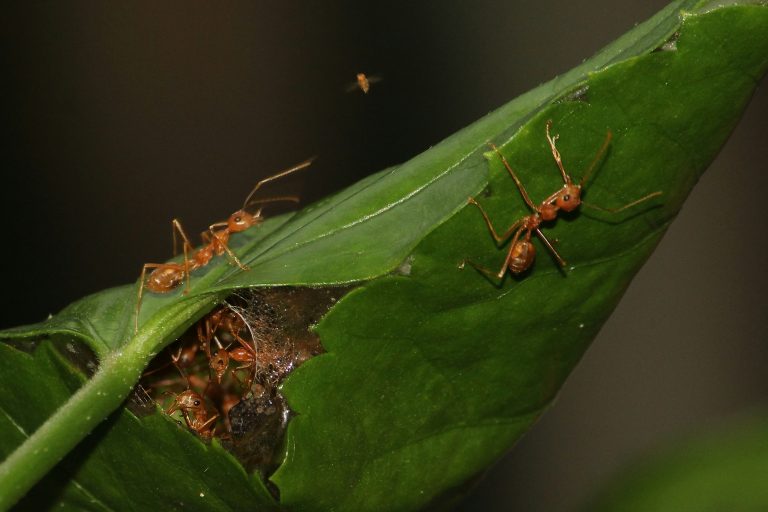
Ants are perhaps the most common insect pest we encounter. While most ant species are harmless, their persistent foraging for food and water can be a considerable inconvenience. It is important to identify the specific ant species as their behavior and preferred nesting sites can vary.
Food Sources: What Attracts Them
Ants are primarily attracted to food and water sources. Sweet substances, grease, and protein are particularly appealing. A single dropped crumb or a sticky residue on a countertop can attract an entire colony. Even small spills of sugary drinks or unrinsed dishes can be a beacon for ants.
Nesting Locations: Where They Set Up Shop
Ants can nest in a variety of locations, both inside and outside our homes. Common outdoor nesting sites include under rocks, in soil, within rotting wood, and in ant hills. Indoors, they may establish nests in wall voids, under floorboards, near moisture sources like leaky pipes, or even behind appliances.
Cockroaches: Masters of Survival
Cockroaches are notoriously resilient and can survive in harsh conditions. Their presence is often associated with unsanitary conditions, though they can infest even well-maintained homes, especially those with readily available food and water.
Ideal Habitats: Warm, Dark, and Moist
Cockroaches thrive in warm, dark, and moist environments. They are most active at night and will hide in cracks, crevices, and voids during the day. Kitchens, bathrooms, and basements are common hotspots.
Health Concerns: Beyond Discomfort
Beyond their unsettling appearance, cockroaches can spread bacteria and allergens, contributing to respiratory problems and aggravating allergies. They can contaminate food and surfaces with their feces, urine, and body parts.
Spiders: Unwanted Arachnid Residents
While many spiders are beneficial predators of other insects, some species, like the common house spider, can become a nuisance when they spin webs in high-traffic areas. Though most Vancouver spiders are harmless, their webs can accumulate dust and detract from the appearance of our homes.
Web Spinning: Signs of Infestation
The most obvious sign of a spider presence is the presence of their webs. These can be found in corners, along ceilings, behind furniture, and in other undisturbed areas. The size and type of web can sometimes give clues about the spider species.
Predatory Nature: A Double-Edged Sword
While spiders are natural predators of other pests, their presence indoors is often unwelcome. Their webs can be unsightly, and some individuals have phobias.
Flying Insects: Summer Annoyances and More
Vancouver’s summers bring with them a host of flying insects, some of which can become persistent nuisances indoors. Sealing entry points is crucial for keeping these pests at bay.
Flies: The Ubiquitous Annoyance
Various species of flies, from house flies to fruit flies, can find their way into our homes. They are attracted to food, garbage, and decaying organic matter.
Attraction Factors: Food and Decomposing Matter
Flies are drawn to anything that resembles food or a breeding ground. Open food containers, overflowing garbage bins, and even damp sponges can attract them. Fruit flies are particularly attracted to ripening or fermenting fruits and vegetables.
Breeding Opportunities: Rapid Reproduction
Flies reproduce rapidly, which is why a few can quickly turn into a swarm if their breeding grounds are not eliminated. They lay their eggs in decaying organic matter, making proper waste disposal critical.
Mosquitoes: The Itchy Invaders
While not typically a homeowner’s primary concern in terms of structural damage, mosquitoes can be a significant nuisance, especially during warmer months. Their bites can be itchy and unpleasant, and in some parts of the world, they are vectors for diseases.
Breeding Grounds: Standing Water is Key
Mosquitoes require standing water to breed. Even small amounts of collected rainwater in saucers, clogged gutters, or discarded containers can become breeding grounds.
Entry Points: Small Gaps are Enough
Mosquitoes can easily enter homes through open doors and windows, but even small gaps in screens or around window frames can provide access.
Other Common Pests: Beyond the Usual Suspects
While rodents and insects are the most frequent visitors, other pests can also pose challenges for Vancouver homeowners.
Earwigs: The Nocturnal Foragers
Earwigs are nocturnal insects that are often found in damp environments. They can enter homes in search of food and shelter, and while their pincers can pinch, they are generally harmless.
Preferred Environments: Dampness and Dark Shelters
Earwigs prefer moist, dark areas. They can be found under logs, in leaf litter, and in damp soil outdoors. Indoors, they may seek shelter in basements, bathrooms, or other humid areas.
Nighttime Activity: Seeking Food
Earwigs are most active at night, foraging for food. They are omnivorous and will feed on a variety of organic matter, including plant material, insects, and decaying food.
Millipedes and Centipedes: The Crawling Companions
These multi-legged creatures are often found in damp basements, crawl spaces, and bathrooms. Millipedes are detritivores and generally harmless, while centipedes are predators and can deliver a painful bite.
Moisture Attraction: Dampness is Key
Both millipedes and centipedes are attracted to moisture. Leaky pipes, poor drainage, and excessive humidity can create an inviting environment for them.
Entry Routes: Through Cracks and Gaps
They can enter homes through cracks in foundations, gaps around pipes, and poorly sealed doors and windows.
In addition to understanding Vancouver’s most common household pests and strategies for keeping them out year-round, homeowners may find it beneficial to read about specific pests like rats. Rats can pose significant health risks and cause damage to property if not managed properly. For more detailed information on identifying and controlling rat infestations, you can check out this informative article on rats at Nikol Pest Control.
Year-Round Prevention Strategies: A Proactive Approach
Dealing with pests is significantly easier when we focus on prevention rather than eradication. Implementing consistent year-round strategies is the most effective way to keep our homes pest-free.
Sealing Entry Points: The First Line of Defense
The most basic and crucial step in pest prevention is to identify and seal any potential entry points into our homes. Pests, from the smallest ant to the largest rat, can exploit even tiny openings.
Inspecting the Exterior: A Thorough Walk-Through
We need to conduct regular inspections of our home’s exterior, paying close attention to the foundation, siding, and roofline. Look for any cracks, holes, or gaps that could serve as an entry point for pests.
Foundation Cracks: The Ground-Level Threat
Cracks in the foundation are a common entry point for rodents and crawling insects. These should be sealed promptly with appropriate materials like caulk or mortar.
Gaps Around Utilities: Pipes and Wires
Wherever pipes, wires, or utility lines enter our homes, there are often gaps. These should be thoroughly sealed with caulk, expanding foam, or steel wool, which is particularly effective against rodents.
Checking Doors and Windows: Screens and Seals
Our doors and windows are common entry points, especially if screens are damaged or seals are compromised.
Damaged Screens: Tiny Holes, Big Problems
Torn or damaged window and door screens are an open invitation for flying insects and even some smaller crawling pests. Repairing or replacing them promptly is essential.
Weather Stripping: Creating a Tight Seal
Ensure that weather stripping around doors and windows is intact and provides a tight seal. Worn or damaged weather stripping should be replaced to prevent drafts and pest entry.
Maintaining a Clean Home: Denying Resources
Pests are attracted to food, water, and shelter. By maintaining a clean and tidy home, we can significantly reduce the resources available to them, making our homes less appealing.
Kitchen Hygiene: The Epicenter of Attraction
The kitchen is often the primary target for many pests due to the availability of food and water. Vigilance in this area is paramount.
Proper Food Storage: Sealing it Tight
All food items, including dry goods, should be stored in airtight containers made of glass, metal, or thick plastic. This includes pet food. Avoid leaving food out on countertops or in open bowls.
Regular Cleaning: No Crumbs Left Behind
Regularly vacuum or sweep floors, especially around cooking areas and dining tables. Wipe down countertops and surfaces after each meal preparation. Clean up spills immediately.
Trash Management: Secure and Frequent Disposal
Garbage cans should have tight-fitting lids and be emptied regularly, especially those containing food waste. Clean the garbage cans themselves periodically to remove residual odors and food particles.
Water Sources: Eliminating Accessibility
Pests, like all living creatures, need water to survive. Identifying and eliminating unintended water sources around our homes is crucial.
Leaky Pipes and Faucets: The Silent Drippers
Regularly inspect pipes, faucets, and plumbing fixtures for leaks. Even a slow drip can provide enough water for many pests. Repair any leaks promptly.
Damp Areas: Basements and Bathrooms
Pay attention to damp areas in basements, bathrooms, and under sinks. Ensure proper ventilation and address any sources of moisture. Dehumidifiers can be beneficial in humid areas.
Outdoor Maintenance: Extending Prevention Outdoors
Pest prevention doesn’t stop at our doorstep. Maintaining the area around our homes can significantly reduce the number of pests that venture indoors.
Yard Waste Management: Eliminating Hiding Places
Proper management of yard waste can eliminate attractive habitats for many pests.
Piles of Debris: A Haven for Pests
Avoid leaving piles of leaves, grass clippings, or wood debris near the foundation of your home. These can provide shelter and breeding grounds for insects and rodents.
Composting: Careful Location
If you compost, ensure the compost bin is located a reasonable distance from your home and is regularly turned to prevent excessive moisture and decomposition that can attract pests.
Landscaping Practices: Strategic Planting
Certain landscaping choices can inadvertently attract pests.
Overgrown Vegetation: Inviting Shelters
Keep vegetation, such as bushes and shrubs, trimmed back from the foundation of your home. Overgrown plants can provide easy access and shelter for pests.
Mulch Application: Proper Depth
While mulch can be beneficial for gardens, applying it too thickly or too close to the foundation can create a damp, inviting environment for pests.
Seasonal Pest Management: Adapting Our Strategies
While year-round prevention is key, understanding the seasonal patterns of pest activity allows us to adapt our strategies and remain extra vigilant during peak seasons.
Spring: The Awakening of Pests
As the weather warms, many pests that have been dormant or less active during the winter begin to emerge, seeking food and new nesting sites.
Insect Hatching: Emerging from Winter Quarters
Many insect species overwinter in sheltered locations and emerge in spring to reproduce. This is often when we see the first signs of ants and other crawling insects.
Early Ant Activity: Scouting for Resources
Ants will begin foraging for food and water sources as soon as temperatures rise. This is a critical time to ensure all food is properly stored and surfaces are clean.
Spider Webs Appearing: Rebuilding Homes
Spiders will also become more active, spinning new webs as they hunt for insect prey. Regular dusting and web removal are important during this period.
Rodent Nesting: Seeking New Opportunities
Rodents that have survived the winter may begin seeking new nesting sites and opportunities to reproduce as food becomes more accessible.
Mice Emerging from Walls: Seeking Food
Mice that may have been sheltering within wall voids or attics will venture out in search of food and water. Intensified sealing of entry points is crucial.
Summer: Peak Activity and Breeding Seasons
Summer is the prime time for many insect pests. The warm weather and longer days provide ideal conditions for their reproduction and activity.
Flying Insect Invasion: Open Doors and Windows
With warmer weather, we tend to open our doors and windows more frequently, inadvertently creating entry points for flying insects like flies and mosquitoes.
Fruit Fly Proliferation: Ripe Produce is a Magnet
Fruit flies thrive in warmer temperatures and are particularly attracted to ripening fruits and vegetables. Diligent food management and prompt disposal of overripe produce are essential.
Mosquito Breeding: Standing Water Dilemma
Mosquitoes are at their peak during summer. Eliminating any standing water around our properties becomes a critical task to prevent breeding.
Ant Foraging: Constant Search for Sustenance
Ants continue their diligent search for food and water throughout the summer. Maintaining impeccable kitchen hygiene is non-negotiable.
Fall: Preparing for the Winter Months
As temperatures begin to drop, many pests will start seeking shelter and warmth indoors, making fall a critical time for preventative measures.
Insect Migration: Seeking Refuge
Many insects, including spiders, ants, and earwigs, will attempt to move indoors to escape the colder weather.
Spiders Entering Homes: Seeking Warmth
Spiders are common fall invaders as they seek entry into our homes to overwinter. Thoroughly inspecting and sealing entry points is vital.
Ants Seeking Shelter: Winter Provisions
Ants will also look for warmer sheltered locations to overwinter, and our homes can be an attractive option. Ensuring food sources are inaccessible is paramount.
Rodent Infestation Risk: The Cold Drives Them In
Rodents are particularly adept at seeking shelter indoors as the weather turns cold.
Increased Rodent Activity: Seeking Warmth and Food
Rats and mice will actively search for entry points into our homes to escape the cold and find readily available food sources. Reinforcing all potential entry points becomes a priority.
Winter: Dormancy and Continued Vigilance
While pest activity may decrease during the coldest months, it’s important to remember that many pests can remain active indoors, and some are simply dormant, waiting for warmer weather.
Overwintering Pests: Hiding in Plain Sight
Some insects and spiders can survive the winter by overwintering in sheltered locations within our homes.
Hidden Insect Colonies: Waiting for Spring
Small colonies of insects may remain dormant in wall voids or other inaccessible areas, waiting for the spring to re-emerge.
Overwintering Spider Eggs: A Future Problem
Spider egg sacs, often hidden in undisturbed areas, can hatch in the spring, leading to a new generation of spiders.
Rodent Activity Indoors: The Continual Threat
Rodents that have successfully entered our homes before winter can continue to be a problem throughout the season, seeking warmth and sustenance.
Persistent Rodent Presence: Even in the Cold
Even in winter, we may still encounter rodents foraging within our homes. Ongoing monitoring and maintenance are necessary.
Professional Pest Control: When to Call the Experts
While diligent home maintenance can prevent many pest problems, there are times when professional intervention becomes necessary. Recognizing when to call in the experts can save us time, money, and significant frustration.
Signs of a Serious Infestation: Beyond Nuisance
Sometimes, despite our best efforts, an infestation can become established. Certain signs indicate the need for professional pest control services.
Extensive Dropping Evidence: Rodents in Numbers
A significant and widespread presence of rodent droppings throughout the home is a strong indicator of a substantial infestation that may be difficult to manage on our own.
Frequent Sightings: Seeing Pests Regularly
If we are regularly seeing pests, such as multiple cockroaches or a noticeable number of mice or rats, it suggests a growing population that requires professional attention.
Damage to Property: Structural Concerns
Evidence of damage to our homes, such as gnawed wires, damaged insulation, or structural wood damage, is a clear sign that professional intervention is needed to address the underlying pest problem.
Specific Pest Challenges: When DIY Isn’t Enough
Some pests are particularly difficult to eradicate on our own due to their biology, reproduction rates, or ability to hide.
Persistent Cockroach Infestations: Resilience is Key
Cockroaches are notoriously difficult to eliminate completely with DIY methods. Their ability to hide and reproduce quickly often requires the specialized knowledge and treatments of professionals.
Termite or Carpenter Ant Activity: Structural Threats
These wood-destroying insects pose a significant threat to the structural integrity of our homes. Professional identification and treatment are essential.
Large-Scale Rodent Problems: Eradication Expertise
Overcoming a large-scale rodent infestation in Vancouver often requires professional expertise in trapping, baiting, and exclusion techniques.
If you’re looking to learn more about household pests that can invade your home, you might find the article on moths particularly interesting. Moths are among the common pests that can cause significant damage if left unchecked. To discover effective strategies for keeping these pests out of your living space year-round, you can read more in this informative piece on moths. Understanding their behavior and prevention methods can help ensure your home remains pest-free.
Conclusion: A United Front Against Pests
| Pest | Common Signs | Prevention Tips |
|---|---|---|
| Rats | Scratching noises, droppings, gnaw marks | Seal entry points, keep food sealed, trim vegetation |
| Ants | Trail of ants, small piles of debris | Keep surfaces clean, seal cracks, store food properly |
| Cockroaches | Musty odor, droppings, egg casings | Keep kitchen clean, fix leaks, seal entry points |
| Bedbugs | Reddish stains on bedding, bites on skin | Inspect second-hand items, vacuum regularly, use mattress covers |
Keeping Vancouver’s most common household pests out requires a consistent, multi-faceted approach. By understanding the habits and vulnerabilities of these unwelcome visitors, implementing robust year-round prevention strategies, and knowing when to seek professional help, we can effectively protect our homes and maintain a pest-free living environment for ourselves and our families. Our commitment to cleanliness, vigilance in sealing entry points, and mindful outdoor maintenance creates a strong defense against the persistent challenges posed by Vancouver’s diverse pest population. Together, through awareness and action, we can ensure our homes remain our sanctuaries, free from unwanted guests.
FAQs
What are the most common household pests in Vancouver?
The most common household pests in Vancouver include ants, cockroaches, rodents, bed bugs, and spiders.
What are some ways to keep pests out of the house year-round?
To keep pests out of the house year-round, it is important to seal cracks and crevices, keep the kitchen clean, store food in airtight containers, maintain a tidy yard, and schedule regular pest control inspections.
How can I prevent ants from entering my home?
To prevent ants from entering your home, it is important to keep the kitchen clean, store food in airtight containers, seal cracks and crevices, and eliminate standing water sources.
What are some signs of a rodent infestation in the home?
Signs of a rodent infestation in the home include droppings, gnaw marks, nests, and scampering noises in the walls or ceilings.
What should I do if I suspect a pest infestation in my home?
If you suspect a pest infestation in your home, it is important to contact a professional pest control service to assess the situation and recommend a treatment plan.