Ants Invading Your North Vancouver Home? Causes & Proven Solutions
We’ve all been there: reaching for the sugar jar or wiping down the kitchen counter, only to discover a thin, dark line moving with unnerving purpose. Then another. And another. Before we know it, our otherwise pristine North Vancouver home has become a thoroughfare for an unwelcome army of ants. It’s a frustrating and, frankly, a bit unsettling experience, leaving us wondering how they got in and, more importantly, how we can get them out. This isn’t a minor nuisance; left unchecked, an ant infestation can escalate, making our homes feel less like a sanctuary and more like a battleground.
Our region, with its lush greenery and often damp climate, presents an ideal environment for various ant species to thrive, and these conditions naturally push them indoors when resources are scarce or weather conditions become less favourable outside. Understanding the specific factors that attract them to our homes is the crucial first step in developing an effective strategy for their removal and, more importantly, for preventing their return. This article aims to provide a comprehensive guide, sharing our collective knowledge and experience in tackling this common North Vancouver household challenge.
Our beautiful North Vancouver surroundings, while highly desirable for us, unfortunately also create a perfect habitat for several ant species. The combination of our maritime climate and abundant natural landscapes contributes significantly to this predisposition.
Environmental Factors
The consistent rainfall we experience throughout much of the year provides ample moisture, a fundamental requirement for most ant colonies. This moisture promotes lush vegetation, which in turn offers shelter and food sources for ants. Furthermore, the varying temperatures, from cool, damp winters to warm, sometimes dry summers, can stress outdoor colonies, prompting scouts to seek more stable and resource-rich environments indoors. Our homes, with their consistent temperatures and readily available food and water, become highly attractive havens during these periods of environmental stress.
Common Ant Species in North Vancouver
Identifying the specific ant species we’re dealing with can be beneficial, as their behaviours and preferred food sources vary, influencing the most effective treatment methods. While a professional pest control service can provide definitive identification, we can often narrow it down to a few common culprits.
Carpenter Ants
These are among the most problematic ants we encounter in North Vancouver. They are relatively large, typically black or dark red, and can sometimes be winged. Crucially, carpenter ants don’t eat wood; instead, they excavate galleries within softened or rotting wood to build their nests. This excavating activity can cause significant structural damage over time, making them a serious concern. We often find evidence of them in areas with moisture damage, such as around leaky windows, under sinks, or in damp basements. The presence of fine sawdust-like material (frass) near their activity is a strong indicator of a carpenter ant infestation.
Pavement Ants
Smaller than carpenter ants, pavement ants are dark brown to black and are commonly seen emerging from cracks in sidewalks, driveways, and foundations. They are omnivorous and will readily forage for a wide variety of foods in our homes, particularly sweets, greases, and proteins. We often spot them trailing across kitchen counters or floors, particularly during the warmer months. While less destructive than carpenter ants, their sheer numbers can be overwhelming, and they can contaminate food.
Odorous House Ants
These small, dark brown or black ants get their name from the distinctive, rotten coconut-like smell they emit when crushed. They are attracted to sugary foods and moisture, and their nests can be found in a variety of locations, both indoors and outdoors, including wall voids, under flooring, and in potted plants. Odorous house ants are known for establishing multiple satellite colonies, making their eradication challenging if not all nests are located. Their trails are often well-established, linking their nesting sites to food sources within our homes.
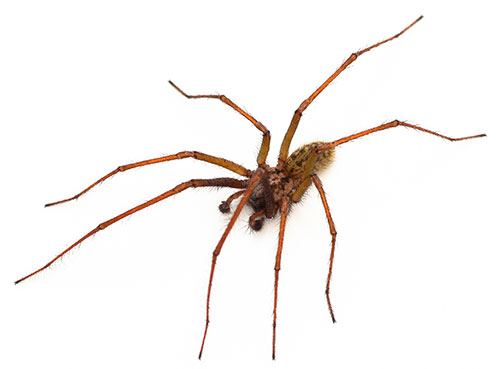
If you’re dealing with an ant invasion in your North Vancouver home, you might also be interested in understanding more about other common pests in the area. For instance, spiders can also become a nuisance, especially as the weather changes. To learn more about identifying and managing spider infestations, check out this informative article on spiders in North Vancouver: Spiders: Identification and Management.
Identifying the Source of the Infestation
Before we can effectively combat an ant problem, we must understand how they are getting into our homes and where their primary nests are located. This investigative phase is critical for long-term success.
Entry Points
Ants are remarkable in their ability to exploit even the smallest gaps and cracks in our home’s exterior. We must meticulously inspect our properties, assuming no opening is too small for them to exploit.
Cracks in Foundations and Walls
Settling foundations and general wear and tear can create hairline cracks that are practically invisible to the human eye but are easily navigated by ants. We should regularly inspect the perimeter of our homes, paying close attention to the interfaces between the foundation and the walls, as well as any masonry work.
Gaps Around Windows and Doors
Weather stripping and caulk can degrade over time, creating gaps around window and door frames. We should check these seals diligently, especially on lower levels and near decks or patios where ants might have easier access.
Utility Penetrations
Pipes, wires, and other utility lines entering our homes often leave small gaps around their entry points. These are frequently overlooked but provide ants with a direct highway into our walls and internal structures. We need to inspect areas where electrical conduits, plumbing lines, and gas lines enter the house.
Overhanging Branches and Vegetation
Trees and shrubs that touch our homes provide natural bridges for ants, allowing them to bypass ground-level entry points. We need to maintain a clear buffer zone between vegetation and our house structure.
Locating Nests
While some ants forage widely, a successful eradication strategy often involves directly addressing their nesting sites, if possible.
Outdoor Nests
Pavement ants often nest under paving stones, driveways, or in soil near our foundations. Carpenter ants may nest in dead trees, woodpiles, or even within our wooden deck structures. Observing ant trails can often lead us back to these outdoor colonies.
Indoor Nests
This is where the problem becomes more acute. Carpenter ants, as mentioned, favor damp or decaying wood. We should investigate areas with known moisture issues: leaky roofs, poorly ventilated bathrooms, around dishwashers, and under sinks. Odorous house ants and pavement ants can nest in wall voids, under floorboards, or in insulation. Tracing strong, consistent ant trails can often lead us to a hidden indoor nest.
Proven Ant Extermination Strategies
Once we’ve identified the species and potential entry points and nesting sites, we can implement targeted control measures. It’s important to approach this systematically for the best results.
Non-Chemical Methods
Before resorting to chemical treatments, we have several effective non-chemical options that can significantly reduce ant populations and prevent future infestations.
Sanitation and Food Storage
This is arguably the most crucial preventative measure. Ants are primarily driven by the search for food and water. We must be rigorous in our kitchen hygiene.
Eliminating Food Sources
- Wipe down surfaces: Regularly clean kitchen counters, tables, and floors to remove crumbs and food spills.
- Store food in airtight containers: Grains, pet food, sugar, and other pantry items should be stored in containers that ants cannot penetrate. Open boxes and bags are an open invitation.
- Promptly clean up spills: Any spilled liquids, especially sugary drinks, should be cleaned immediately and thoroughly.
- Empty trash regularly: Food waste in garbage bins attracts ants. Use bins with tight-fitting lids and empty them frequently.
- Clean pet food bowls: Don’t leave pet food out overnight. Clean pet food and water bowls regularly.
Addressing Moisture Sources
- Fix leaky pipes and faucets: Even small drips can provide a critical water source for ants.
- Ensure proper ventilation: Reduce humidity in bathrooms and basements to make these areas less attractive.
- Check potted plants: Overwatered indoor plants can create damp soil attractive to certain ant species.
Physical Barriers
Creating physical barriers is a proactive step to prevent ants from entering our homes in the first place.
Sealing Entry Points
- Caulk cracks and gaps: Use a good quality caulk to seal any cracks in foundations, walls, and around window and door frames.
- Repair weather stripping: Ensure all weather stripping around doors and windows is intact and effectively seals openings.
- Use mesh screens: Install fine mesh screens over vents and other larger openings to prevent entry.
Trimming Vegetation
- Maintain a buffer zone: Trim back trees, shrubs, and other vegetation so they do not touch the siding or roof of our homes. A distance of at least 6-12 inches is generally recommended. This removes bridges ants can use.
Chemical Treatment Options
When non-chemical methods are insufficient, or for more severe infestations, chemical treatments become necessary. It’s important to use these products responsibly and in accordance with manufacturer instructions.
Ant Baits
Baits are often our preferred chemical treatment, especially for indoor ant problems, as they leverage the ants’ natural foraging behavior.
How Baits Work
Baits consist of a slow-acting insecticide mixed with an attractive food source (sugar, protein, or grease, depending on the ant species). Foraging worker ants consume the bait, carry it back to the nest, and share it with the queen and other colony members. This effectively poisons the entire colony, including the reproductive queen, leading to the collapse of the nest. This is a slower process than sprays but is ultimately more effective for colony eradication.
Tips for Using Baits Effectively
- Placement: Place baits directly in ant trails, near entry points, or wherever we observe ant activity. Do not spray other insecticides directly on or near baits, as this will deter ants from feeding.
- Patience: Baits take time to work, often several days to a few weeks, as the poison needs to be distributed throughout the colony.
- Replenishment: Replenish bait stations as they are depleted until ant activity ceases.
- Species-specific baits: Some baits are formulated for specific ant diets (e.g., sugar-based for odorous house ants, protein/fat-based for carpenter ants, although general baits often work for various species).
Insecticide Sprays
Sprays provide a quicker knockdown of visible ants but are generally less effective for colony elimination, especially indoors. We typically reserve these for perimeter treatments or direct application to visible outdoor nests.
Contact Sprays
These kill ants on contact but do not address the source of the infestation. We use them for quick cleanup of visible trails but avoid using them near bait stations.
Residual Sprays
These leave an invisible residue that continues to kill ants that come into contact with it for a period. For outdoor perimeter treatments, we might apply a residual spray around the foundation, window sills, and door thresholds to create a chemical barrier. When using these, we must be mindful of children, pets, and local wildlife.
Dusts
Insecticide dusts are particularly useful for treating hidden voids where ants might be nesting, such as wall voids, electrical outlets (with extreme caution), or under appliances. They can penetrate inaccessible areas and provide long-lasting control. We must apply these sparingly and intelligently, focusing on areas where we suspect nests are located.
When to Call a Professional Exterminator
While many ant problems can be managed with diligent DIY efforts, there are situations where professional intervention is not only advisable but often necessary.
Persistent Infestations
If, despite our best efforts with sanitation, sealing, and baiting, the ant problem persists or recurs frequently, it’s a strong indicator that the infestation might be larger or more deeply rooted than we can adequately address on our own. Professionals have access to stronger, more targeted products and advanced techniques.
Carpenter Ant Damage
Any suspicion of carpenter ant activity, particularly if we find frass or hear rustling noises within our walls, warrants immediate professional assessment. Carpenter ants can cause significant structural damage that is not always evident from the surface. A professional can identify the extent of the infestation and implement appropriate measures to protect our property.
Difficulty Locating Nests
If we’ve observed significant ant activity but are unable to locate the entry points or, more importantly, the primary nesting sites, a professional will have the expertise and specialized equipment (e.g., moisture meters, borescopes) to pinpoint these elusive locations. Effective treatment often hinges on identifying and treating the main colony.
Health and Safety Concerns
When dealing with powerful insecticides, there are inherent risks, especially in homes with small children, pets, or individuals with respiratory sensitivities. A professional pest control service is trained in the safe and effective application of these chemicals, minimizing risk to our household. They also understand local regulations and environmental considerations.
Time and Expertise
Simply put, we might not have the time or the specialized knowledge to effectively tackle a complex ant infestation. Professionals bring experience and efficiency, often resolving problems more quickly and completely than we could on our own. Their integrated pest management (IPM) approach often considers the long-term, not just immediate eradication.
If you’re curious about the various types of ants that might be invading your North Vancouver home, you may find it helpful to explore a related article that delves deeper into the subject. This resource offers insights into the specific species of ants commonly found in the area, their behaviors, and effective methods for prevention and control. For more detailed information, you can check out this informative article that complements the discussion on why these pests are drawn to your living space.
Long-Term Prevention and Maintenance
| Reasons for Ant Invasion | Proven Solutions |
|---|---|
| Presence of food crumbs and spills | Regular cleaning and sealing food containers |
| Moisture and water sources | Fixing leaks and reducing humidity |
| Entry points through cracks and openings | Sealing cracks and gaps in walls and windows |
| Outdoor nests near the home | Removing outdoor nests and using barriers |
Once we’ve successfully addressed an ant infestation, the focus shifts to preventing future occurrences. This requires ongoing vigilance and consistent application of good practices.
Regular Home Maintenance
Preventative maintenance is our first line of defense.
- Seal new cracks: Periodically inspect our home’s exterior and interior for any new cracks or gaps that might develop, sealing them promptly.
- Maintain landscaping: Keep trees and shrubs neatly trimmed and away from the house. Remove any leaf litter, woodpiles, or debris near the foundation that could serve as ant harborage.
- Repair moisture issues: Address any plumbing leaks, roof leaks, or drainage problems immediately to eliminate potential water sources and prevent wood decay that attracts carpenter ants.
- Ensure proper ventilation: Maintain good airflow in attics, basements, and crawl spaces to reduce humidity.
Year-Round Vigilance
Ant problems aren’t just a seasonal issue. Our vigilance must be continuous.
- Seasonal checks: Conduct more thorough inspections of our home’s perimeter and interior each spring and fall. These are often periods when ants are most active or seeking shelter.
- Monitor for trails: Be observant for any new ant trails, especially in kitchens, bathrooms, and other vulnerable areas. Early detection makes eradication much easier.
- Outdoor baiting: Consider placing external ant bait stations strategically around the perimeter of our home in late winter or early spring. This can intercept foraging ants before they ever discover an entry point into our home, effectively eliminating colonies before they become an indoor problem. This proactive approach can significantly reduce the likelihood of indoor infestations.
Educate Household Members
Everyone in our household plays a role in ant prevention. We need to educate family members on the importance of:
- Promptly cleaning up spills and crumbs.
- Proper food storage.
- Reporting any signs of ant activity immediately.
By working together and maintaining these practices, we can significantly reduce the chances of ants invading our North Vancouver homes again. While completely eliminating the risk might be impossible given our environment, we can certainly make our homes far less attractive and accessible to these persistent pests. Our goal is not just to eradicate, but to create an environment where ants are discouraged from even attempting to establish a presence.
FAQs
1. What are the common causes of ants invading homes in North Vancouver?
Ants are often attracted to homes in North Vancouver due to the presence of food crumbs, spills, and unsealed food containers. They are also drawn to moisture, so leaky pipes and standing water can be contributing factors.
2. How can I prevent ants from invading my home in North Vancouver?
To prevent ants from entering your home, it is important to keep your kitchen and dining areas clean, store food in airtight containers, seal cracks and crevices where ants can enter, and address any moisture issues such as leaky pipes or standing water.
3. What are some proven solutions for getting rid of ants in my North Vancouver home?
Proven solutions for getting rid of ants in your home include using ant baits, sealing entry points, keeping surfaces clean and free of crumbs, and addressing any moisture issues. Additionally, hiring a professional pest control service may be necessary for severe infestations.
4. Are there any natural remedies for deterring ants from entering my North Vancouver home?
Yes, there are natural remedies that can help deter ants from entering your home, such as using vinegar, lemon juice, cinnamon, or peppermint oil as natural repellents. Additionally, creating physical barriers with substances like diatomaceous earth can help keep ants at bay.
5. When should I consider seeking professional pest control services for an ant infestation in my North Vancouver home?
If you have tried various DIY methods and the ant infestation persists, or if the infestation is severe, it may be time to seek professional pest control services. A professional can assess the situation and provide effective treatment options to eliminate the ants from your home.