Essential Spring Pest Control Checklist for Vancouver Homeowners
Spring in Vancouver brings a certain vibrancy, a fresh breath after the long, damp winter. However, with the budding flora and warming temperatures comes the resurgence of pests, actively seeking food, water, and shelter. For us homeowners, this means a proactive approach to pest control is not just advisable, but essential. Neglecting these early signs and preventative measures can lead to more significant, and costly, infestations down the line. Our aim here is to outline a comprehensive checklist, guiding us through the critical steps to secure our homes against common spring pests.
As the mercury rises, so does pest activity. We observe a shift from the overwintering dormancy of many creatures to a period of active foraging and breeding. This seasonal change amplifies the need for us to be vigilant.
Common Spring Pests in Vancouver
Vancouver’s unique climate and abundant green spaces make us susceptible to a specific range of pests during spring.
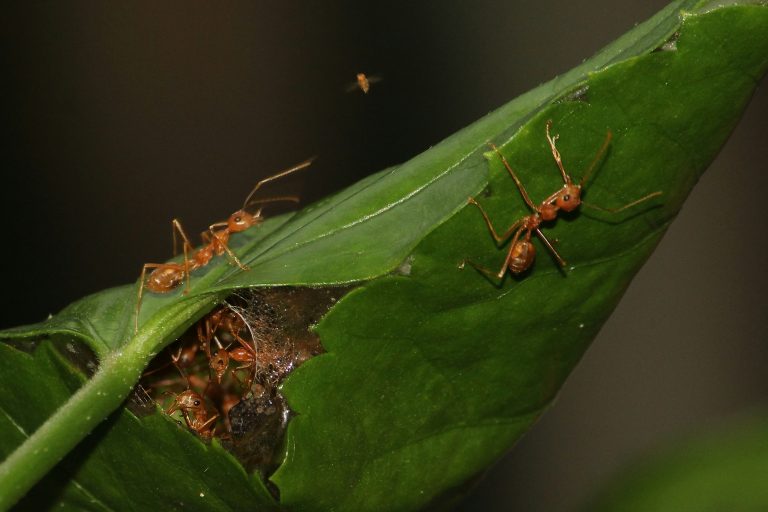
- Ants: We often see them emerge in droves, especially after heavy rains, as they search for new nesting sites and food sources indoors. Carpenter ants, in particular, are a concern due to their potential to damage wooden structures.
- Rodents (Mice and Rats): While a year-round problem, spring often sees increased outdoor activity as they seek new food sources and breeding grounds, and can readily infiltrate homes if entry points exist.
- Spiders: As temperatures warm, spiders become more active, moving around and establishing new webs. Though most are harmless, their presence is generally unwelcome indoors.
- Earwigs and Millipedes: These moisture-loving pests thrive in our damp climate. We find them congregating in basements, crawl spaces, and around foundations, seeking humid environments.
- Wasps and Hornets: While more prevalent in late summer, early nesting activity begins in spring. We must identify and address small nests before they grow into larger, more aggressive colonies.
- Termites: Subterranean termites swarm in spring, a clear indicator of their presence. We need to be alert for these swarms, as they signify an active colony that can cause extensive structural damage.
Why Proactive Control is Crucial
Waiting until an infestation is evident makes our task significantly harder and more expensive. Early detection and preventative measures are foundational to effective pest management.
- Minimizing Damage: Pests like termites, carpenter ants, and rodents can cause substantial structural damage to our homes. Early intervention protects our investments.
- Health and Hygiene: Pests can carry diseases, contaminate food, and trigger allergies. Our proactive measures safeguard our family’s health.
- Cost-Effectiveness: Preventing an infestation is invariably less costly than eradicating one. We save money on professional extermination and potential repair costs.
- Peace of Mind: Knowing our home is secure from pests contributes significantly to our comfort and tranquility. We value a pest-free living environment.
As Vancouver homeowners prepare for the warmer months, it’s essential to stay informed about effective pest control strategies. A helpful resource is the article on the Spring Pest Control Checklist, which provides valuable tips on preventing common pests during the spring season. For more detailed information, you can check out the article at Nikol Pest Control. This guide will ensure your home remains pest-free as the weather warms up.
Exterior Home Inspection and Maintenance
Our first line of defence against spring pests is the exterior of our home. A thorough inspection and necessary maintenance create a barrier against unwelcome intruders.
Sealing Entry Points
Pests require very little space to enter our homes. We need to meticulously identify and seal any potential access points.
- Cracks and Gaps in Foundation: We meticulously inspect our home’s foundation for any cracks or gaps. Even small fissures can serve as entryways for insects, rodents, and other pests. We fill these with concrete patch or silicone sealant.
- Around Windows and Doors: We ensure all window screens are in good repair, free from tears or holes. We check the weather stripping around all doors and windows, replacing any that are cracked or worn, to create a tight seal.
- Utility Line Openings: Where pipes, wires, and utility lines enter our home, we often find gaps. We use steel wool or caulk to seal these openings completely, paying particular attention to areas around dryer vents and air conditioning units.
- Roof and Attic Vents: We inspect our roof for missing shingles, damaged flashing, or openings around vents. We ensure attic vents and chimneys are screened off to prevent birds, rodents, and insects from entering.
- Garage Door Seals: We check the rubber seals at the bottom of our garage doors. Worn or damaged seals can allow rodents, insects, and even small reptiles to crawl under. We replace these as needed.
Managing Landscaping and Yard Debris
Our landscaping choices can either invite or deter pests. We aim to create a perimeter that is inhospitable to them.
- Trim Shrubbery and Trees: We ensure that all trees, shrubs, and bushes are trimmed back sufficiently, so their branches do not touch our home’s exterior walls or roof. These can act as bridges for pests like ants, rodents, and even raccoons. We aim for a clear space of at least 1-2 feet.
- Remove Leaf Litter and Debris: We regularly clear away leaf litter, woodpiles, compost heaps, and other organic debris from around our foundation. These provide ideal hiding and breeding spots for slugs, earwigs, millipedes, and rodents.
- Store Firewood Away from the House: If we store firewood, we ensure it is stacked neatly and located at least 20 feet away from our home and elevated off the ground. Woodpiles are notorious for harbouring termites, carpenter ants, and rodents.
- Maintain Gutters and Downspouts: We regularly clean our gutters to prevent clogs that can lead to standing water. Standing water attracts mosquitoes and can create damp conditions ideal for carpenter ants and termites near the foundation. We ensure downspouts direct water away from the foundation.
- Address Standing Water: We eliminate any sources of standing water in our yard, such as old tires, buckets, or clogged drains. These are prime breeding grounds for mosquitoes. We also check for poor drainage in our yard that might lead to puddles.
Interior Home Inspection and Maintenance
Once we’ve addressed the exterior, we turn our attention inward. Our interior spaces, if not properly maintained, can provide ample resources for pests.
Kitchen and Pantry Hygiene
The kitchen is a major attraction for pests due to readily available food and water. Our hygiene practices here are paramount.
- Promptly Clean Up Spills and Crumbs: We make it a habit to wipe up spills immediately and sweep or vacuum crumbs from floors and countertops daily. Food residue is a primary attractant for ants, cockroaches, and rodents.
- Store Food in Airtight Containers: We transfer dry goods such as cereals, flours, grains, and pet food into sturdy, airtight containers. This prevents pests from accessing food and also helps to contain any existing pantry pests, preventing their spread.
- Regularly Empty Trash Cans: Our kitchen garbage cans, especially, should be emptied daily. We use cans with tight-fitting lids to contain odours and prevent pests from getting inside. We also regularly clean the cans themselves to remove any residue.
- Check for Leaky Faucets and Pipes: We inspect under sinks and around dishwashers for any signs of leaks. Even small drips can provide a crucial water source for pests like cockroaches and rodents. We promptly repair any leaks we find.
- Clean Under Appliances: We periodically pull out our refrigerator, stove, and dishwasher to clean behind and underneath them. Food debris and grease often accumulate in these hidden spots, providing a feast for pests.
Bathroom and Laundry Room Vigilance
These rooms, with their inherent moisture, can be havens for certain pests.
- Address Moisture Issues: We ensure proper ventilation in our bathrooms to reduce humidity. We fix any leaky pipes, toilets, or showerheads promptly. Condensation and dampness attract silverfish, earwigs, and cockroaches.
- Seal Gaps Around Pipes: We check the areas where pipes enter walls and floors in the bathroom and laundry room. If there are gaps, we seal them with caulk or expanding foam to block entry for crawling insects.
- Keep Drains Clean: We regularly clean our drains to remove hair and soap scum, which can attract drain flies and other insects. We use drain cleaners or boiling water to keep them clear.
General Interior Maintenance
Beyond specific rooms, we maintain overall cleanliness and order within our living spaces.
- Vacuum and Mop Regularly: Regular vacuuming and mopping throughout the home remove crumbs, pet hair, and insect eggs. This is particularly important along baseboards and in corners where pests often hide.
- Declutter Storage Areas: Basements, attics, and garages often become cluttered with old boxes, newspapers, and stored items. These provide ideal harborage for rodents and insects. We regularly declutter and organize these areas, storing items in sealed plastic bins rather than cardboard boxes.
- Inspect and Clean Pet Areas: Pet food and litter boxes can attract pests. We store pet food in airtight containers and regularly clean pet bowls and litter boxes. We also inspect pet bedding for fleas or other parasites.
Pest-Specific Prevention Strategies
While general maintenance goes a long way, certain pests require targeted prevention.
Ant Management
Ants are a pervasive spring pest. Our strategies focus on disrupting their foraging and nesting.
- Identify Ant Trails: When we see ants, we observe their trails. Following these trails can lead us to their point of entry or even their nest. This information is crucial for targeted treatment.
- Use Ant Baits Strategically: Ant baits are often more effective than sprays, as worker ants carry the bait back to the colony, eliminating the queen and the nest. We place baits near activity areas but out of reach of children and pets.
- Eliminate Scout Ants: When we see a few scout ants, we eliminate them immediately before they can recruit more workers to a food source. Wiping them away with a damp cloth is often sufficient.
- Consider Perimeter Treatments: For persistent ant problems, we might consider a professional perimeter treatment around the foundation, creating a barrier that deters ants from entering.
Rodent Deterrence
Rodents are intelligent and persistent. Our approach needs to be equally strategic.
- Exclude Entry Points: As previously mentioned, sealing all entry points larger than a quarter-inch is critical. Rodents can squeeze through incredibly tight spaces. We use steel wool, caulk, or metal mesh for sealing.
- Trim Vegetation: We keep vegetation around our home trimmed back to reduce cover for rodents, making them more exposed to predators.
- Store Trash Securely: We ensure our outdoor garbage bins have tight-fitting lids and are not overflowing. Rodents are highly attracted to accessible food waste.
- Avoid Attracting Wild Animals: We avoid leaving pet food outdoors overnight and ensure bird feeders are not spilling seeds excessively onto the ground, as these can attract rodents and other wildlife.
Termite Swarm Identification
Termites are a serious threat; recognizing their swarmers is an early warning sign.
- Learn to Identify Swarmers: Termite swarmers are winged insects that resemble flying ants, but differ in key characteristics (straight antennae, uniform wing size, thick waist). We familiarize ourselves with these differences.
- Look for Discarded Wings: Termite swarmers shed their wings shortly after swarming. Finding small piles of discarded wings, often near windows or light sources, is a strong indicator of a nearby termite colony.
- Mud Tubes: We inspect our foundation, crawl spaces, and wooden structures for mud tubes – pencil-sized tunnels built by subterranean termites for protection as they travel between their nest and a food source.
- Professional Inspection: If we suspect termite activity, contacting a qualified pest control professional for an inspection is imperative. Termite damage can be extensive and unseen.
As Vancouver homeowners prepare for the warmer months, it’s essential to stay informed about effective pest control strategies. A helpful resource can be found in the article on Burnaby pest control services, which offers insights into managing common pests that may invade your home during spring. By following the guidelines outlined in the pest control checklist, you can ensure a pest-free environment and protect your living space from unwanted intruders.
Utilizing Professional Pest Control Services
| Spring Pest Control Checklist for Vancouver Homeowners |
|---|
| 1. Inspect and seal any cracks or openings in the foundation, walls, and windows to prevent pest entry. |
| 2. Clean gutters and downspouts to prevent water accumulation, which can attract pests. |
| 3. Trim back trees and shrubs away from the house to eliminate pest highways. |
| 4. Check for standing water in the yard and eliminate it to reduce mosquito breeding grounds. |
| 5. Schedule a professional pest control inspection and treatment to prevent infestations. |
While DIY methods are crucial, there are times when we need to call in the experts. Recognizing these situations is part of responsible homeownership.
When to Seek Professional Help
Certain pest problems exceed our capacity for DIY solutions.
- Persistent Infestations: If we have consistently tried DIY methods for a particular pest and the problem persists or worsens, it’s a clear sign that professional intervention is needed.
- Dangerous Pests: Infestations of harmful pests like wasps, hornets, bed bugs, or termites should almost always be handled by professionals due to the risks involved or the complexity of eradication.
- Large Scale Infestations: When we discover a large colony of ants, a significant rodent population, or widespread pest activity, treating it effectively usually requires professional equipment and expertise.
- Identification Challenges: If we are unsure about the type of pest we are dealing with, a professional can accurately identify it and recommend the most effective treatment plan. Misidentification can lead to ineffective treatments.
- Structural Damage Concerns: For pests like termites or carpenter ants that can cause structural damage, consulting a professional immediately is vital to assess the extent of the damage and implement appropriate treatment.
Benefits of Professional Services
Engaging professional pest control brings several advantages to our spring pest management strategy.
- Expert Knowledge: Professionals possess in-depth knowledge of pest biology, behaviour, and effective treatment methods. They can identify the root cause of an infestation and implement targeted solutions.
- Advanced Tools and Products: Pest control companies have access to specialized tools, equipment, and professional-grade products that are not available to the general public. These are often more potent and effective.
- Safety: Professionals are trained to use pesticides safely and minimize risks to our family, pets, and the environment. They understand proper application techniques and safety protocols.
- Long-Term Solutions: Often, professional services include ongoing monitoring and preventative measures to ensure the problem does not recur, offering us long-term peace of mind. They can also advise on further preventative steps.
- Time and Efficiency: Addressing a pest problem ourselves can be time-consuming and frustrating. Professionals can often resolve issues more quickly and efficiently, saving us valuable time and effort.
As Vancouver homeowners prepare for the warmer months, it’s essential to stay informed about effective pest management strategies. A great resource to complement your Spring Pest Control Checklist is the comprehensive guide available on Nikol’s website, which covers various common pests and how to handle them. You can find valuable information on prevention and treatment options by visiting their pest library. This guide can help you ensure your home remains pest-free throughout the season.
Our Ongoing Vigilance
Spring pest control is not a one-and-done activity; it requires ongoing vigilance throughout the warmer months. As the season progresses, new challenges may arise, and our proactive measures should continue. Regular checks and immediate action upon noticing any signs of pest activity are key to maintaining a pest-free home. By meticulously following this checklist, we can significantly reduce the risk of unwelcome spring guests and enjoy our Vancouver homes with greater comfort and security.
FAQs
What are common spring pests in Vancouver?
Some common spring pests in Vancouver include ants, spiders, wasps, and rodents. These pests become more active as the weather warms up and may seek shelter and food inside homes.
How can Vancouver homeowners prevent spring pest infestations?
Vancouver homeowners can prevent spring pest infestations by sealing cracks and crevices, keeping food stored in airtight containers, maintaining a clean and clutter-free home, and trimming vegetation away from the house.
What are some natural pest control methods for Vancouver homeowners?
Vancouver homeowners can use natural pest control methods such as diatomaceous earth, essential oils, vinegar, and cedarwood to repel and eliminate pests. These methods are environmentally friendly and safe for use around pets and children.
When should Vancouver homeowners seek professional pest control services?
Vancouver homeowners should seek professional pest control services if they have a severe infestation, are unable to control the pests on their own, or want to prevent future pest problems with regular maintenance treatments.
What are the benefits of regular pest control maintenance for Vancouver homeowners?
Regular pest control maintenance for Vancouver homeowners can help prevent infestations, protect the home from structural damage, reduce the risk of disease transmission, and provide peace of mind knowing that the home is pest-free.