Protect Your Home: Top 10 Pest Problems in North Vancouver Homes and Fast Solutions
We’ve all experienced it: that unsettling scuttling sound in the walls, the discovery of inexplicable droppings, or the sudden appearance of a creature where it decidedly doesn’t belong. For those of us living in North Vancouver, diverse landscapes from dense forests to urban centres bring with them a unique set of pest challenges. Understanding these common invaders and knowing how to effectively deal with them is crucial for maintaining a healthy and comfortable living environment. Here, we delve into the top 10 pest problems we frequently encounter in North Vancouver homes and offer practical, fast solutions.
When we talk about pests in North Vancouver, rodents often top the list. Their adaptability, rapid breeding cycles, and tendency to seek shelter indoors, particularly as the weather cools, make them a persistent nuisance.
Mice: Small but Mighty Disruptors
We’ve all seen the signs: tiny droppings in cupboards, gnaw marks on food packaging, or the unmistakable scurrying in the dead of night. Mice are expert infiltrators, squeezing through openings as small as a dime. They’re not just a nuisance; they can contaminate food, spread diseases, and cause significant damage to wiring and insulation.
Fast Solutions for Mice:
- Seal Entry Points: Our first line of defense is exclusion. We meticulously inspect our homes for gaps and cracks around pipes, utility lines, foundations, and under doors. Steel wool, expanding foam, and concrete patches are effective for sealing these openings.
- Sanitation is Key: We ensure all food is stored in airtight containers, crumbs are cleaned promptly, and garbage cans have tight-fitting lids. Eliminating food sources outside also helps, like birdseed spills.
- Trapping: For active infestations, we employ snap traps or multiple-catch traps. We place them along walls, in dark corners, and wherever signs of activity are evident. Baiting with peanut butter or a small piece of chocolate is often effective.
Rats: Larger, More Destructive Threats
Rats, particularly Norway rats and roof rats, present a more significant challenge than mice due to their larger size and potential for greater structural damage. They gnaw through a wider range of materials, including electrical wires, plumbing, and even concrete, posing fire risks and costly repairs.
Fast Solutions for Rats:
- Robust Exclusion: We need to be even more diligent with sealing entry points. Rats can chew through softer materials, so we prioritize durable solutions like wire mesh and concrete.
- Trapping and Baiting (with Caution): Larger snap traps are effective for rats. For severe infestations, professional pest control may be necessary due to the reproductive rate and intelligence of rats, which can make them harder to eradicate. We exercise extreme caution with rodenticides, ensuring they are placed in tamper-proof bait stations inaccessible to children and pets.
- Habitat Modification: We maintain our outdoor spaces, keeping bushes and trees trimmed away from the house, and storing firewood well off the ground and away from the foundation.
If you’re dealing with pest issues in your home, you might find it helpful to read about specific pests like bed bugs, which can be a significant concern in North Vancouver. For more detailed information on how to identify and manage bed bug infestations, check out this informative article on bed bugs at Nikol Pest Control. Understanding the behavior and treatment options for these pests can complement the insights provided in the “Top 10 Pest Problems in North Vancouver Homes (And How to Stop Them Fast)” article.
Insects: The Creeping and Crawling Invaders
North Vancouver’s diverse ecosystem means we share our environment with a vast array of insects, some of which inevitably find their way into our homes. While some are merely annoying, others can cause significant damage or pose health risks.
Carpenter Ants: The Silent Destroyers
We often discover carpenter ants when piles of sawdust-like frass appear, or we hear faint rustling inside wooden structures. These ants don’t eat wood but excavate tunnels to create nests. Over time, extensive galleries can weaken structural integrity, leading to costly repairs.
Fast Solutions for Carpenter Ants:
- Identify the Nest: Our primary goal is to locate the satellite nest(s) within the home. We look for sawdust, live ants, and listen for chewing noises. Often, they nest in areas with moisture damage, like leaky roofs or window sills.
- Baiting (Targeted Approach): We use ant baits that the foraging ants will carry back to the colony, effectively eliminating the entire nest. Placement near trails or areas of activity is key.
- Moisture Control: Addressing any moisture issues in our homes, such as leaky pipes or poor ventilation, significantly reduces the appeal of our homes to carpenter ants.
Pavement Ants: The Persistent Invaders
These small, dark ants are a common sight, often creating trails across our driveways, patios, and eventually, into our kitchens. While generally not destructive, their sheer numbers can be a nuisance, and they can contaminate food.
Fast Solutions for Pavement Ants:
- Sanitation and Food Storage: As with most ants, keeping our homes clean and storing food in sealed containers is paramount.
- Sealing Entry Points: We seal cracks in foundations, around windows, and under doors to prevent them from entering.
- Ant Baits: Gel baits or granular baits placed along their trails or near entry points are usually very effective for controlling pavement ant colonies.
Spiders: Mostly Harmless, Always Unsettling
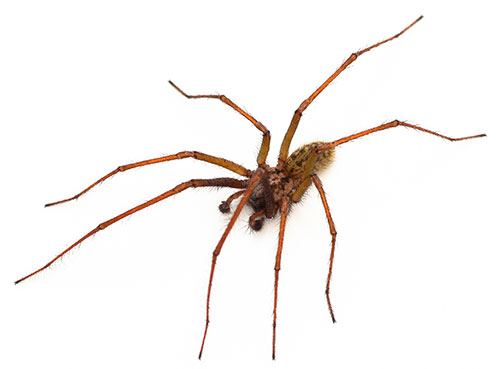
While most spiders in North Vancouver are harmless and beneficial predators of other insects, their presence can be alarming. We often find them in basements, crawl spaces, attics, and window sills. Black widow spiders, though rare, are a concern, as are hobo spiders, which can deliver a painful bite.
Fast Solutions for Spiders:
- Vacuuming and Cleaning: Regular vacuuming, especially in corners, behind furniture, and along baseboards, removes spiders, webs, and their egg sacs.
- Reduce Clutter: We minimize clutter in our homes, particularly in storage areas, as this provides fewer hiding spots for spiders.
- Exterior Lighting Modification: We can reduce the number of insects attracted to our home’s exterior at night by using yellow or sodium vapor lights, which in turn reduces the spider’s food source near entry points.
- Seal Cracks: Sealing gaps around windows and doors prevents spiders from entering.
Occasional Invaders: The Seasonal Surprises
Some pests are not permanent residents but appear seasonally, often seeking shelter from unfavourable outdoor conditions or searching for new food sources.
Earwigs: The Pincher Bugs
Earwigs are a common sight in our gardens, but they frequently make their way indoors, especially during damp weather. While generally harmless, their presence can be unsettling, and they can damage seedlings if they form large populations in garden beds.
Fast Solutions for Earwigs:
- Reduce Moisture: We ensure our foundations are dry, gutters are clean, and downspouts direct water away from the house.
- Remove Hiding Spots: We clear away leaf litter, mulch, and other debris close to the foundation of our homes.
- Trapping: Simple traps made from rolled-up newspaper or cardboard tubes placed near entry points can collect earwigs, which we then dispose of.
Silverfish: The Book and Fabric Destroyers
These ancient, wingless insects thrive in damp, dark environments, feeding on starches found in paper, glue, fabrics, and even dried foods. We often discover them scurrying away when we disturb old books or boxes in our basements or attics.
Fast Solutions for Silverfish:
- Reduce Humidity: We use dehumidifiers in damp areas like basements and crawl spaces to reduce moisture levels.
- Improve Ventilation: Ensuring good airflow in bathrooms and kitchens can help.
- Store Items Properly: We store books, documents, and clothing in airtight containers, especially in areas prone to dampness.
- Clean and Vacuum: Regular cleaning and vacuuming remove food sources and silverfish.
Wood Destroying Organisms: The Structural Threats
Beyond carpenter ants, other organisms can cause significant damage to the wooden components of our homes, often undetected until the damage is extensive.
Termites (Subterranean): The Unseen Engineers
While less common in North Vancouver than in some warmer climates, we do encounter subterranean termites. These insidious pests construct mud tubes to travel between their colonies in the soil and the wood in our homes. They feed on cellulose, silently hollowing out timbers from the inside out, often leaving a seemingly intact exterior. Termite damage can be extensive and costly.
Fast Solutions for Termites (Professional Intervention is Key):
- Professional Inspection: Our immediate action upon suspecting termites is to call a qualified pest control professional specializing in termite management. They can accurately identify the species and assess the extent of the infestation.
- Moisture Control: We eliminate any sources of moisture near our foundation, such as leaky pipes or poor drainage, as termites are attracted to damp wood.
- Wood-to-Soil Contact: We ensure no wood from our homes is in direct contact with the soil. This includes firewood, trellises, or wooden structural elements.
- Bait Systems and Liquid Barriers: Professionals will typically use bait systems or apply liquid termiticides to the soil around the foundation, creating a barrier that eliminates the colony. This is not a DIY task due to the specialized knowledge and equipment required.
Powderpost Beetles: The Fine Dust Producers
These small beetles are known for the fine, flour-like dust (frass) they produce as their larvae tunnel through seasoned hardwoods like oak, maple, and ash. We often find this frass accumulating below infested furniture, flooring, or structural timbers. While not as destructive as termites, they can cause significant damage to wooden heirlooms and structural components over many years.
Fast Solutions for Powderpost Beetles:
- Identify Infested Wood: Our first step is to pinpoint the exact locations of the infestation. This allows for targeted treatment.
- Wood Treatment: For small, isolated infestations (e.g., a piece of furniture), we might consider professional wood treatment which can include fumigation or localized insecticide injections. For larger structural infestations, we consult with a pest control expert.
- Moisture Control: While not as moisture-dependent as termites, ensuring proper ventilation and controlling humidity can discourage new infestations.
- Seal and Finish Wood: Applying appropriate wood finishes like varnish or paint to unfinished wood can help prevent egg-laying by adult beetles.
If you’re dealing with pest issues in your North Vancouver home, you might find it helpful to read about the common challenges posed by house mice. These small rodents can quickly become a significant problem if not addressed promptly. For more information on how to identify and manage a house mouse infestation, check out this informative article on house mice. Understanding their behavior and the best prevention methods can help you keep your home pest-free.
Occasional Wildlife Intrusions: Beyond Insects and Rodents
| Pest Problem | Frequency | Preventive Measures |
|---|---|---|
| Ants | High | Seal cracks and crevices, keep food sealed, clean up spills promptly |
| Rodents | High | Seal entry points, keep food sealed, set traps |
| Bed Bugs | Medium | Regularly inspect bedding, vacuum regularly, use mattress encasements |
| Cockroaches | Medium | Keep kitchen clean, seal cracks, fix leaks |
| Spiders | Low | Keep outdoor areas tidy, remove webs, seal entry points |
| Termites | Low | Regular inspections, reduce wood-to-soil contact, fix moisture issues |
| Wasps | Low | Seal entry points, remove nests, use wasp traps |
| Fleas | Low | Treat pets with flea prevention, vacuum regularly, wash bedding |
| Moths | Low | Store clothing properly, use moth repellents, clean regularly |
| Silverfish | Low | Reduce humidity, seal entry points, use dehumidifiers |
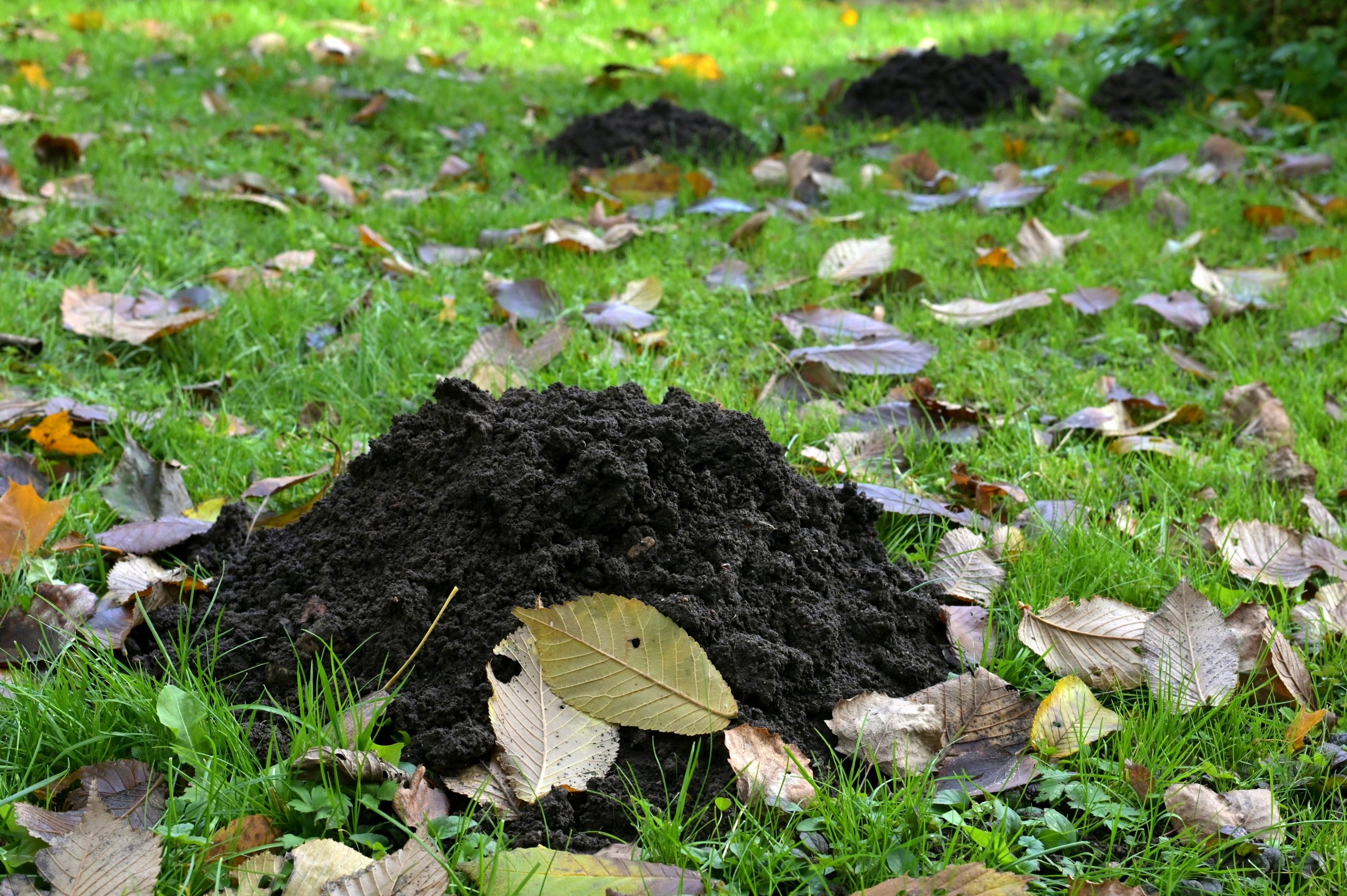
Sometimes, the pests that invade our homes are not insects or rodents, but larger wildlife, particularly common in North Vancouver with its proximity to natural habitats.
In North Vancouver, pest control is an ongoing endeavour. By understanding the common threats we face and implementing these preventative measures and swift solutions, we can significantly reduce our risk of pest infestations. Regular inspections, diligent sanitation, and proactive sealing of our homes are our best defenses. When faced with persistent or severe infestations, we never hesitate to consult with professional pest control services; their expertise and specialized tools are often invaluable in restoring peace and health to our homes. Our goal is always to create a safe, pest-free environment for ourselves and our families.
FAQs
What are the top 10 pest problems commonly found in North Vancouver homes?
The top 10 pest problems commonly found in North Vancouver homes include ants, spiders, rodents, bed bugs, cockroaches, wasps, silverfish, termites, fleas, and mosquitoes.
Why are these pests common in North Vancouver homes?
These pests are common in North Vancouver homes due to the favorable climate and environment, which provide ideal conditions for these pests to thrive and reproduce.
What are the potential risks and damages caused by these pests?
These pests can pose health risks, damage property, contaminate food, and cause structural damage to homes. For example, rodents can spread diseases, while termites can cause extensive damage to wooden structures.
How can homeowners in North Vancouver prevent and control these pest problems?
Homeowners can prevent and control these pest problems by maintaining cleanliness, sealing entry points, removing standing water, storing food properly, and seeking professional pest control services when necessary.
What are some fast and effective methods to stop these pest problems in North Vancouver homes?
Fast and effective methods to stop these pest problems include using insecticides, setting traps, removing clutter, repairing any cracks or holes in the home, and seeking professional pest control services for more severe infestations.