Rodent Pest Control in North Vancouver: Signs, Risks & What to Do
You hear a faint scratching in the wall late at night. You spot a small dark dropping near the back of a kitchen cabinet. Your dog is suddenly obsessed with a corner of the basement.
These are not coincidences. These are the early signs that you have a rodent problem — and in North Vancouver, this is more common than most homeowners expect.
What are the signs of a rodent problem in North Vancouver?
The most common signs are droppings (small, dark, and cylindrical), gnaw marks on food packaging or wiring, scratching or scurrying sounds in walls or ceilings at night, and shredded nesting materials in hidden corners. If you notice any of these in your home, there is almost certainly more than one rodent present — and the problem is unlikely to resolve on its own.
Why North Vancouver Homes Are Especially Vulnerable
Most pest control articles talk about rodents as an urban problem — garbage, restaurant waste, dense housing. That is part of the picture in North Vancouver, but it is not the whole story.
North Vancouver sits right at the edge of some of British Columbia’s most dense wilderness. Lynn Headwaters, Mount Seymour, the forests along the North Shore — these are not distant parks. They back up directly against residential neighbourhoods in Lynn Valley, Deep Cove, Lonsdale, and beyond.
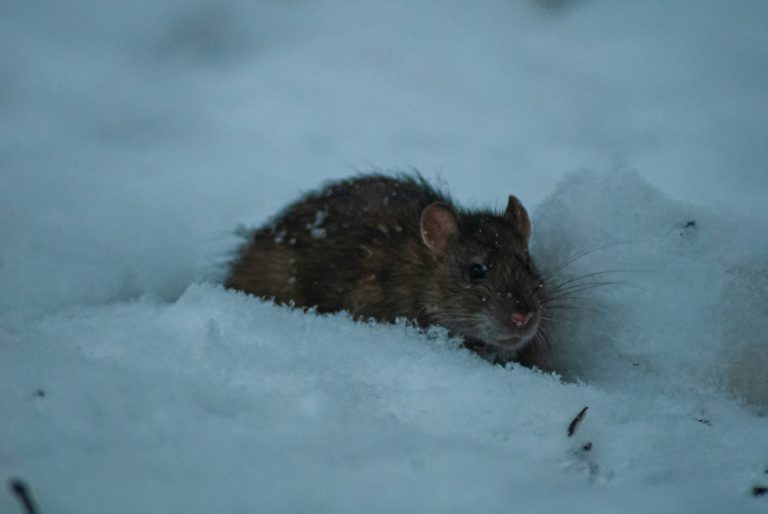
As temperatures drop in the fall, Norway rats and house mice that have spent the warmer months outdoors begin looking for shelter. Your home — warm, dry, with easy access through gaps in rooflines, foundations, and utility penetrations — is exactly what they are looking for.
This seasonal pressure is something a long-time North Shore resident understands intuitively. It is also why rodent problems here tend to be persistent if not handled correctly: once one entry point is sealed, rodents will probe the perimeter of your home looking for another way in.
Warning Signs to Watch For
Rodents are most active at night, which is why many homeowners do not spot them directly. What they do notice are the traces left behind.
Common signs of rats or mice in your home:
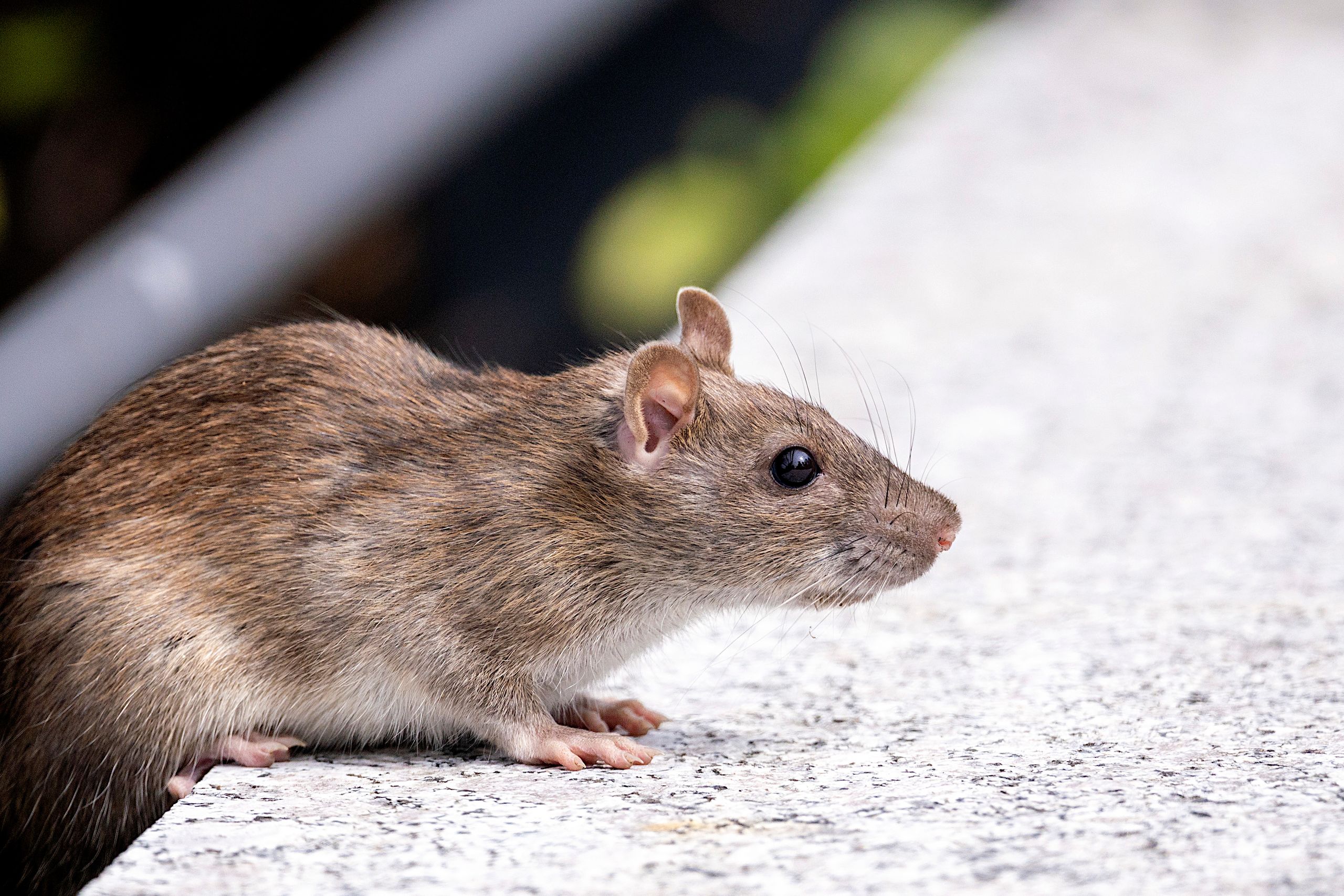
- Droppings — Rat droppings are roughly the size of a grape seed, dark brown or black, and found near food sources, along walls, or in hidden corners. Mouse droppings are smaller, with pointed ends.
- Gnaw marks — Rodents chew constantly. Look for bite marks on wooden baseboards, food packaging, cardboard, and — most dangerously — electrical wiring.
- Scratching or scurrying sounds — Especially at night, in walls, ceilings, or under floorboards. Rats tend to sound heavier than mice.
- Grease marks — Rats travel the same routes repeatedly and leave dark smear marks along walls and skirting boards from the oils in their fur.
- Nesting materials — Shredded insulation, paper, or fabric tucked into undisturbed corners of a crawlspace, attic, or cabinet.
- Unusual pet behaviour — Cats and dogs often detect rodents before people do. Sudden interest in walls, vents, or quiet corners is worth paying attention to.
If you are seeing more than one of these signs, the infestation has likely been established for some time.
The Real Cost of Ignoring a Rodent Problem
A mouse or rat in the house is not just unpleasant — it is a genuine health and safety risk.
Rodents contaminate food surfaces and packaging with urine, droppings, and fur. Diseases including hantavirus, salmonella, and leptospirosis can be transmitted through contact with rodent waste, even without ever seeing the animal directly.
The structural damage is often underestimated. Rats and mice gnaw on electrical wiring as part of normal behaviour — this is a leading cause of house fires. They also chew through insulation, vapour barriers, and even plastic plumbing.
And the population grows fast. A single female mouse can produce five to ten litters per year, with up to six young per litter. What feels like a minor problem in October can be a well-established infestation by December.
Why DIY Rarely Solves It
Hardware store traps and bait stations can catch individual rodents. They do not address the reason rodents are entering your home in the first place.
Without sealing the entry points — gaps around pipes, cracks in the foundation, spaces under doors, open vents, gaps behind fascia boards — you are simply removing a few animals while the rest of the population continues to move in and out freely. In North Vancouver, where nearby wilderness means there is no shortage of rodents to replace the ones you catch, this approach becomes a treadmill rather than a solution.
Professional rodent control works differently. It starts with the structure of your home, not just the animals inside it.
How Nikol Pest Control Handles Rodent Problems in North Vancouver
At Nikol Pest Control, our process is built around permanent results, not repeat visits.
1. Thorough inspection We inspect your entire property — attic, crawlspace, foundation, roofline, and utility penetrations. We are looking for active signs of rodent activity, nesting sites, and every possible entry point from the ground up.
2. Accurate identification Norway rats, roof rats, and house mice behave differently and require different approaches. Knowing what you are dealing with determines the right treatment plan.
3. Targeted treatment We apply the right combination of trapping and safe, Health Canada-approved treatments based on your specific situation. Our goal is to eliminate the active infestation efficiently and safely for your family and pets.
4. Entry point exclusion and prevention This is the step many pest control services skip — and it is the most important one. We seal the access points rodents have been using to enter your home, and provide guidance on long-term prevention so the problem does not come back.
Our founder, Plamen Nikolov, has lived and worked on the North Shore for over 15 years. His background in chemistry and Environmental Engineering from BCIT is not just a credential — it means every treatment decision is grounded in how pest behaviour, property structure, and local conditions interact. We do not guess. We identify, treat, and protect.
Frequently Asked Questions About Rodent Control in North Vancouver
The Sooner You Act, the Easier It Is to Resolve
Rodent problems do not wait. A small issue that goes unaddressed through the fall becomes a much larger one by spring.
If you are hearing sounds in your walls, finding droppings in your kitchen, or noticing any of the warning signs above, now is the right time to call.
Nikol Pest Control serves North Vancouver and the surrounding North Shore — including West Vancouver, Lynn Valley, Deep Cove, Lonsdale, and Edgemont Village.
We offer fast response times, personalized treatment plans, and the kind of local knowledge that only comes from 15+ years of working in this community.
Call us at 604-364-3201 or contact us online to schedule your inspection today.
Nikol Pest Control is fully licensed and insured. We serve residential and commercial clients across North Vancouver, West Vancouver, Burnaby, Vancouver, and surrounding areas. Available before and after hours, on weekends and holidays.